

Getting people to your website is only half the battle. The real magic happens when you transform those visitors into paying customers, subscribers, or leads. Understanding the relationship between traffic and conversion is essential for any business that wants to thrive online in 2026. Whether you're a law firm in Bucks County, a home services contractor, or a B2B company, mastering both elements creates sustainable growth that makes your marketing investment worthwhile.
Why Traffic Without Conversion Is Just a Vanity Metric
We've all seen those websites boasting impressive visitor numbers but struggling to generate actual revenue. High traffic means nothing if visitors aren't taking action. Think of it like having a busy storefront where hundreds of people walk in daily but nobody makes a purchase.
The truth is that traffic and conversion work together as a complete system. You need qualified visitors who are genuinely interested in what you offer, and you need a website experience that guides them smoothly toward taking action.
The Quality Over Quantity Principle
Not all traffic is created equal. Here's what separates valuable traffic from empty numbers:
- Intent-based visitors actively searching for solutions you provide
- Engaged users spending meaningful time on your pages
- Targeted demographics matching your ideal customer profile
- Geographic relevance for local businesses serving specific areas
A professional SEO company focuses on attracting the right people, not just more people. When you optimize for search terms that align with purchase intent, your traffic naturally converts at higher rates.
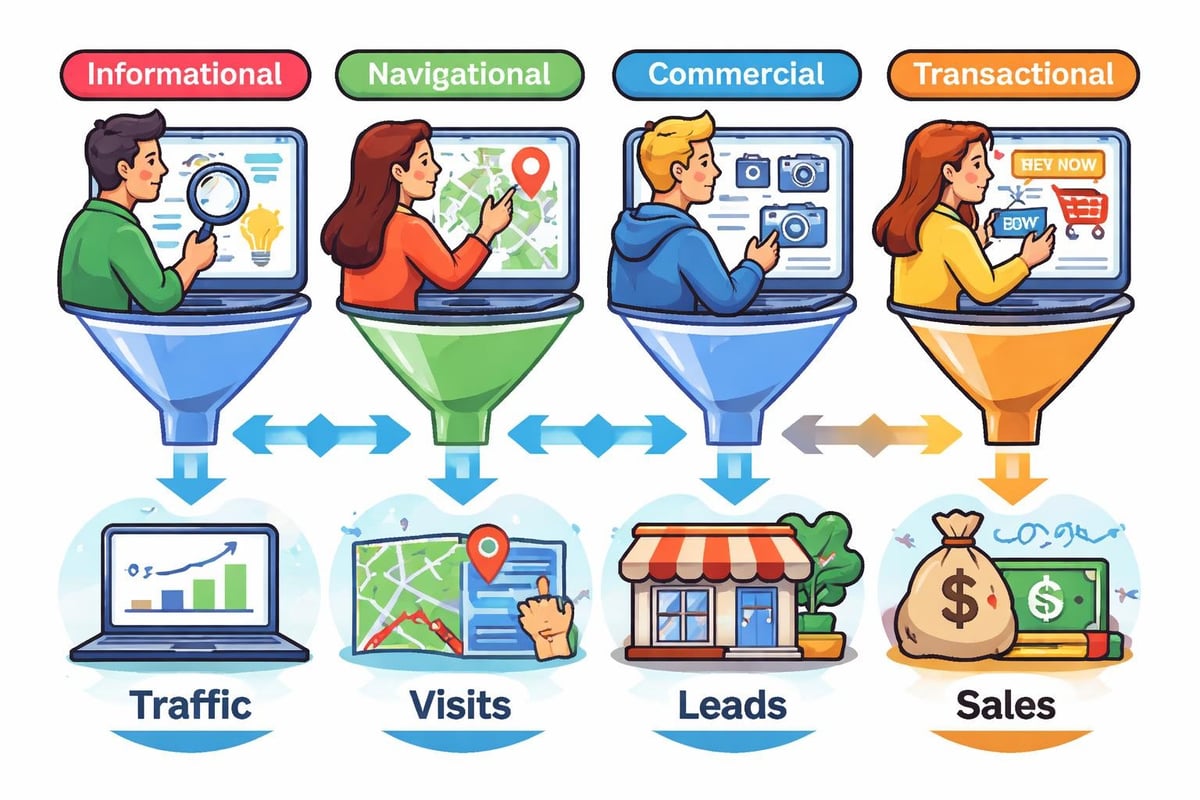
Building a Traffic Foundation That Converts
Your traffic sources determine not just how many visitors arrive but how likely they are to convert. Strategic SEO marketing considers the entire customer journey from first search to final conversion.
Organic Search Traffic Benefits
| Traffic Source | Average Conversion Rate | Cost Per Visitor | Trust Level |
|---|---|---|---|
| Organic Search | 2.5% – 5% | Low (long-term) | High |
| Paid Ads | 2% – 3.5% | High (ongoing) | Medium |
| Social Media | 1% – 2% | Variable | Medium-Low |
| Direct Traffic | 3% – 6% | None | Very High |
Organic search consistently delivers quality traffic because people trust search engines to show them relevant results. When your website appears at the top for industry-specific searches, visitors arrive with built-in confidence in your expertise.
For businesses serving specific regions, local SEO optimization ensures you attract nearby customers who are most likely to convert. A roofing company in Bucks County benefits more from 100 local visitors than 1,000 visitors from across the country.
Optimizing Your Conversion Path
Once traffic arrives, your website must guide visitors toward specific actions. The conversion path encompasses every touchpoint from initial landing to final goal completion.
Essential Conversion Elements
Your pages need strategic components that encourage action:
- Clear value propositions that immediately communicate benefits
- Compelling calls-to-action positioned at natural decision points
- Trust signals including testimonials, certifications, and case studies
- Frictionless forms requesting only essential information
- Mobile optimization ensuring seamless experiences on all devices
The relationship between traffic and conversion becomes obvious when you examine user behavior. Visitors landing on well-optimized pages convert at dramatically higher rates than those encountering confusing or slow-loading experiences.
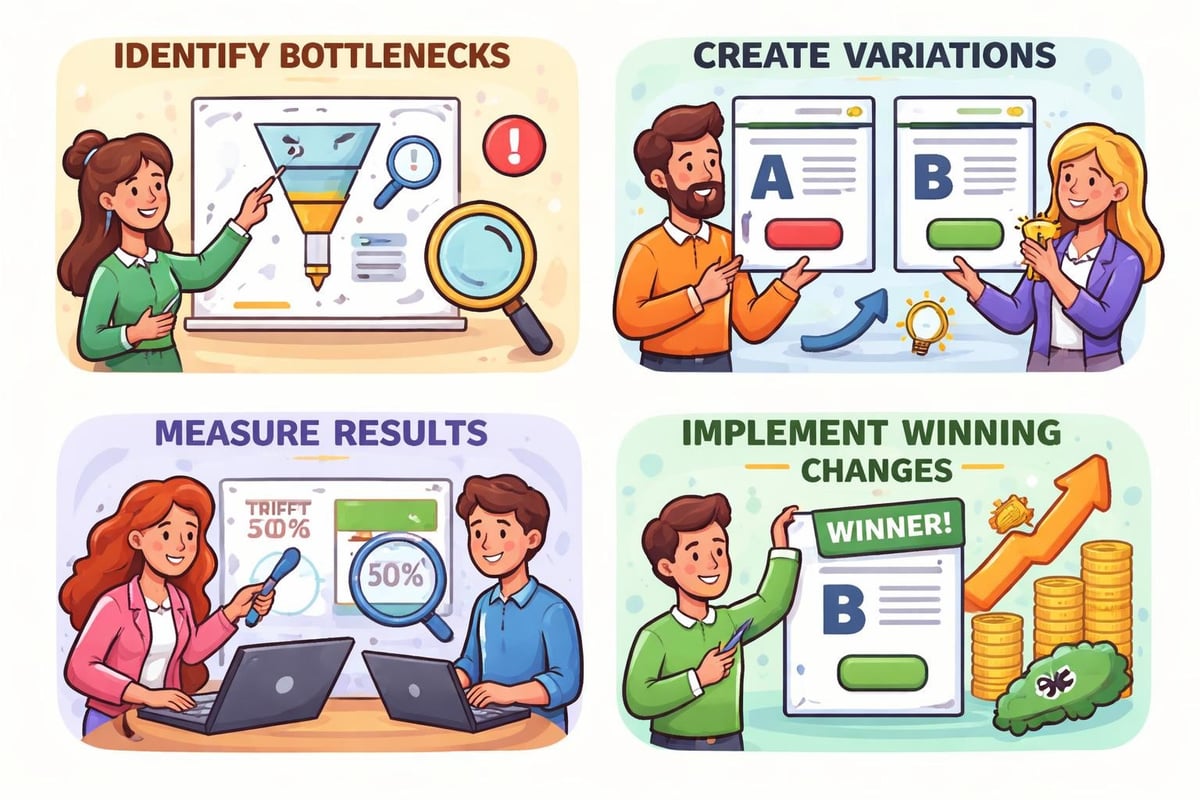
Testing Your Way to Better Results
Successful businesses don't guess what works. They test systematically. Research from conversion optimization case studies shows that even small improvements can generate significant revenue increases.
Consider A/B testing these elements:
- Headline variations emphasizing different benefits
- Button colors and placement
- Form field requirements
- Page layouts and content organization
- Image selections and positioning
One roofing contractor increased conversions by 47% simply by changing their primary call-to-action from "Get Information" to "Get Your Free Estimate." Words matter tremendously in guiding visitor decisions.
Aligning Content Strategy with Conversion Goals
Content serves dual purposes: attracting traffic through search visibility and nurturing conversions through persuasive information. Your content strategy should address both objectives simultaneously.
The Content-to-Conversion Framework
Smart content maps to different stages of the customer journey:
| Journey Stage | Content Type | Traffic Focus | Conversion Goal |
|---|---|---|---|
| Awareness | Educational blogs, guides | High volume keywords | Email capture |
| Consideration | Comparison articles, case studies | Mid-funnel terms | Consultation requests |
| Decision | Service pages, testimonials | Bottom-funnel terms | Purchase/booking |
Service-based businesses particularly benefit from this structured approach. When someone searches "how to choose a law firm," they're in the awareness phase. Content answering that question builds trust while capturing contact information for future nurturing.
When that same person later searches "best personal injury attorney in Bucks County," they're ready to make a decision. Your optimized service page needs immediate conversion elements: clear contact options, compelling credentials, and easy next steps.
Measuring What Matters for Traffic and Conversion
You can't improve what you don't measure. Tracking the right metrics reveals exactly where your strategy excels and where opportunities exist for improvement.
Key Performance Indicators
Focus on metrics that connect traffic quality to conversion outcomes:
- Bounce rate showing how many visitors leave without engaging
- Time on page indicating content relevance and interest
- Pages per session revealing how thoroughly visitors explore
- Conversion rate measuring the percentage who take desired actions
- Cost per conversion calculating efficiency across traffic sources
Real examples from traffic and conversion optimization studies demonstrate that businesses achieving the best results monitor these metrics weekly and adjust tactics based on trends.
Setting Realistic Benchmarks
Industry and business model affect what constitutes "good" performance. Here's what we typically see:
- E-commerce sites: 2-3% conversion rate average
- B2B service providers: 3-5% conversion rate average
- Local service businesses: 5-10% conversion rate average
- Professional services: 4-7% conversion rate average
If your traffic and conversion numbers fall below industry benchmarks, don't panic. Focus on incremental improvements. Increasing your conversion rate from 2% to 3% represents a 50% improvement in results from the same traffic.
Advanced Strategies for Maximum Impact
Once you've mastered the fundamentals, advanced tactics can multiply your results. These strategies work best when you already have solid traffic and reasonable conversion rates.
Personalization at Scale
Modern websites can dynamically adjust content based on visitor characteristics. Someone arriving from a search about "law firm SEO" sees different messaging than someone searching for "contractor marketing."
Dynamic content matching increases relevance and conversion rates significantly. Tools now make this accessible even for smaller businesses without requiring extensive technical resources.
Retargeting Unconverted Traffic
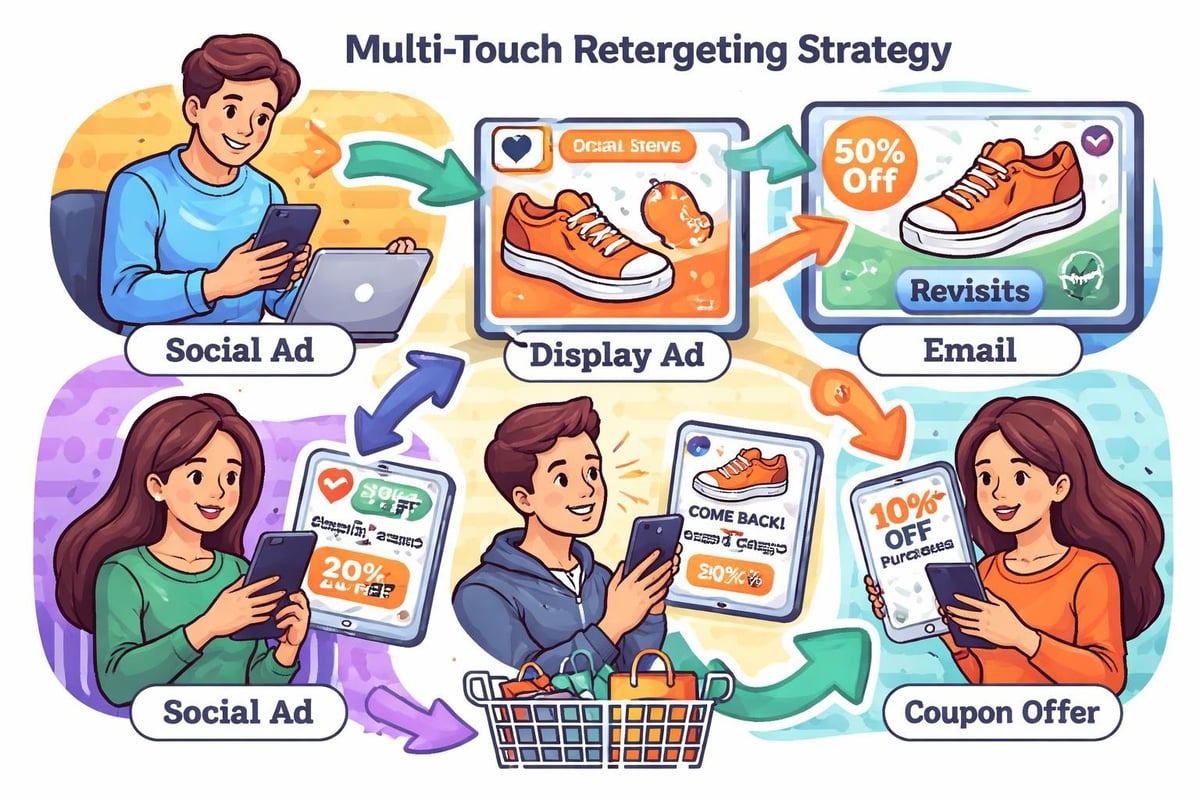
Most visitors don't convert on their first visit. Strategic retargeting brings them back when they're ready to act. This approach recognizes that traffic and conversion don't always happen simultaneously-the buying process takes time.
Consider these retargeting strategies:
- Show specific service benefits to people who visited service pages
- Offer case studies to visitors who read blog content
- Present limited-time offers to those who abandoned quote forms
- Share customer testimonials to people researching your competitors
Understanding how to bridge the gap between initial visit and eventual conversion transforms your marketing ROI. Some of the most successful campaigns we've seen use retargeting to recapture 30-40% of initially unconverted traffic.
Technical Foundations That Support Both Goals
Your website's technical performance directly impacts both traffic acquisition and conversion success. Search engines reward fast, secure, well-structured sites with better rankings. Visitors reward those same qualities with higher conversion rates.
Core Technical Priorities
- Page speed under 3 seconds for initial loads
- Mobile responsiveness with touch-friendly elements
- SSL security protecting user data and building trust
- Clean URL structure helping both search engines and users navigate
- Schema markup enhancing search visibility with rich results
Many businesses discover through comprehensive SEO audits that technical issues were silently sabotaging their traffic and conversion potential. Fixing broken internal links, improving site speed, and implementing proper mobile optimization often delivers immediate improvements.
Industry-Specific Traffic and Conversion Tactics
Different industries require customized approaches because customer behavior varies significantly across sectors.
For Professional Services
Law firms and consulting businesses need to establish authority before conversions happen. The sales cycle is longer, involving multiple touchpoints. Your strategy should emphasize:
- In-depth content demonstrating expertise
- Clear explanations of complex services
- Strong trust signals and professional credentials
- Easy consultation scheduling options
Attorney-focused SEO strategies recognize that potential clients research extensively before reaching out. Content addressing their specific concerns builds the confidence needed for conversion.
For Home Service Businesses
Contractors, plumbers, and similar businesses often serve urgent needs. People searching for these services want quick answers and fast action. Optimization priorities include:
- Prominent phone numbers on every page
- Clear service area information
- Fast-loading mobile experiences
- Before/after photo galleries
- Emergency service callouts
Success stories from home service SEO campaigns show that emphasizing immediate availability and local presence dramatically improves conversion rates from local search traffic.
For B2B Companies
Business-to-business sales involve multiple decision-makers and longer evaluation periods. Your approach should include:
- Detailed case studies with measurable results
- White papers and research content
- ROI calculators and comparison tools
- Multiple conversion options (demos, consultations, downloads)
B2B SEO strategies must nurture relationships over time, recognizing that traffic and conversion might be separated by weeks or months of evaluation.
Emerging Trends Shaping 2026 Success
The digital landscape evolves constantly. Staying ahead of trends ensures your traffic and conversion strategies remain effective.
AI Search Integration
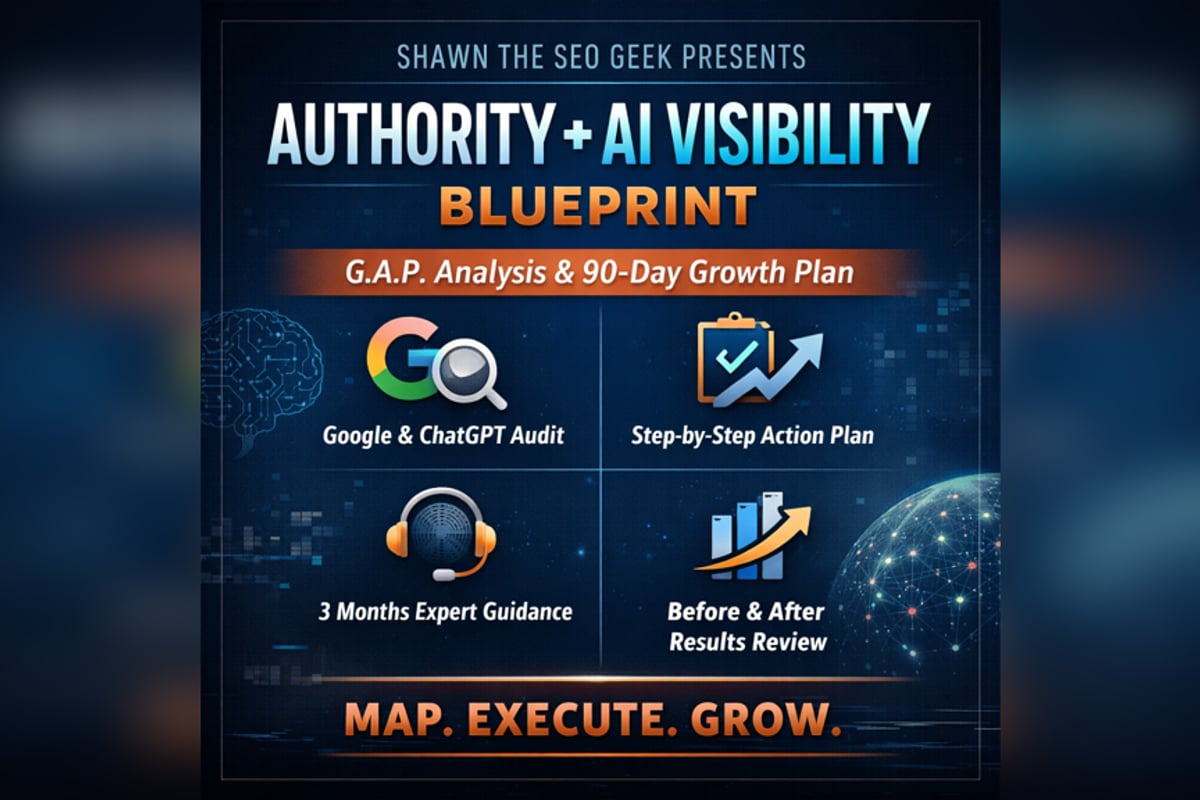
ChatGPT and similar AI tools now answer questions directly, changing how people discover businesses. Optimizing for AI visibility means structuring content to be easily referenced by these systems. The Authority + AI Visibility Blueprint helps businesses understand where they currently stand in both traditional Google search and emerging AI platforms, then provides a clear roadmap for improving visibility across both channels.
Voice Search Optimization
More people use voice commands to search, particularly on mobile devices. These queries tend to be longer and more conversational. Optimizing for natural language questions captures this growing traffic source while improving conversion through better intent matching.
Video Content Integration
Video increasingly influences both traffic and conversion. Search results now prominently feature video content, and landing pages with video convert at higher rates than text-only pages. Incorporating video demonstrations, testimonials, and explainers addresses both goals simultaneously.
Insights from conversion case studies using video reveal that well-crafted video content can achieve remarkable conversion rates even with cold traffic, proving the power of engaging visual communication.
Common Mistakes That Sabotage Results
Even experienced marketers sometimes fall into traps that undermine their traffic and conversion efforts. Avoiding these pitfalls keeps your strategy on track.
Ignoring mobile users remains surprisingly common despite mobile traffic dominating most industries. If your site doesn't provide excellent mobile experiences, you're losing both search rankings and conversions.
Targeting wrong keywords wastes effort attracting visitors who'll never convert. Someone searching "what is SEO" probably isn't ready to hire an agency. Someone searching "SEO agency Bucks County" is a qualified prospect.
Neglecting page speed frustrates visitors and tanks search rankings. Research consistently shows that conversions drop significantly as load times increase beyond 2-3 seconds.
Creating confusing navigation makes it hard for visitors to find what they need or complete desired actions. Clear, logical site structure supports both search engine crawling and user conversion journeys.
Failing to update content signals to search engines that your site isn't actively maintained, while showing visitors outdated information that undermines trust and conversion potential.
Creating Your Action Plan
Understanding traffic and conversion principles means nothing without implementation. Here's how to turn knowledge into results:
Start by auditing your current performance. Examine where traffic comes from, which sources convert best, and where visitors drop off without converting. This baseline reveals your biggest opportunities.
Next, prioritize improvements based on potential impact. Quick wins might include optimizing your highest-traffic pages for conversion, improving mobile performance, or refining your primary calls-to-action.
Then test systematically. Change one element at a time so you can clearly identify what drives improvement. Additional resources from conversion optimization examples provide inspiration for testing priorities.
Finally, establish consistent measurement and refinement. Set aside time monthly to review metrics, identify trends, and adjust your approach. Traffic and conversion optimization never truly ends-it's an ongoing process of improvement.
The Compound Effect of Consistent Optimization
Small, steady improvements create remarkable long-term results. Increasing traffic by 10% while improving conversion rate by 10% doesn't just add up-it multiplies. You end up with 21% more conversions from those combined improvements.
Maintaining this discipline month after month transforms business outcomes. Companies that consistently optimize traffic and conversion see year-over-year growth that compounds into market leadership positions.
The businesses achieving the most impressive results treat optimization as a core business function, not an occasional project. They understand that in 2026's competitive digital landscape, standing still means falling behind.
Mastering traffic and conversion creates predictable, scalable business growth that transforms your online presence from an expense into your most valuable asset. The strategies we've covered work across industries and business models when applied thoughtfully and consistently. If you're ready to stop guessing and start growing with proven SEO strategies tailored to your specific industry, Shawn the SEO Geek brings over two decades of expertise and 500+ successful campaigns to help businesses across Bucks County and beyond boost their search rankings, increase qualified traffic, and optimize every visitor into a potential customer.