
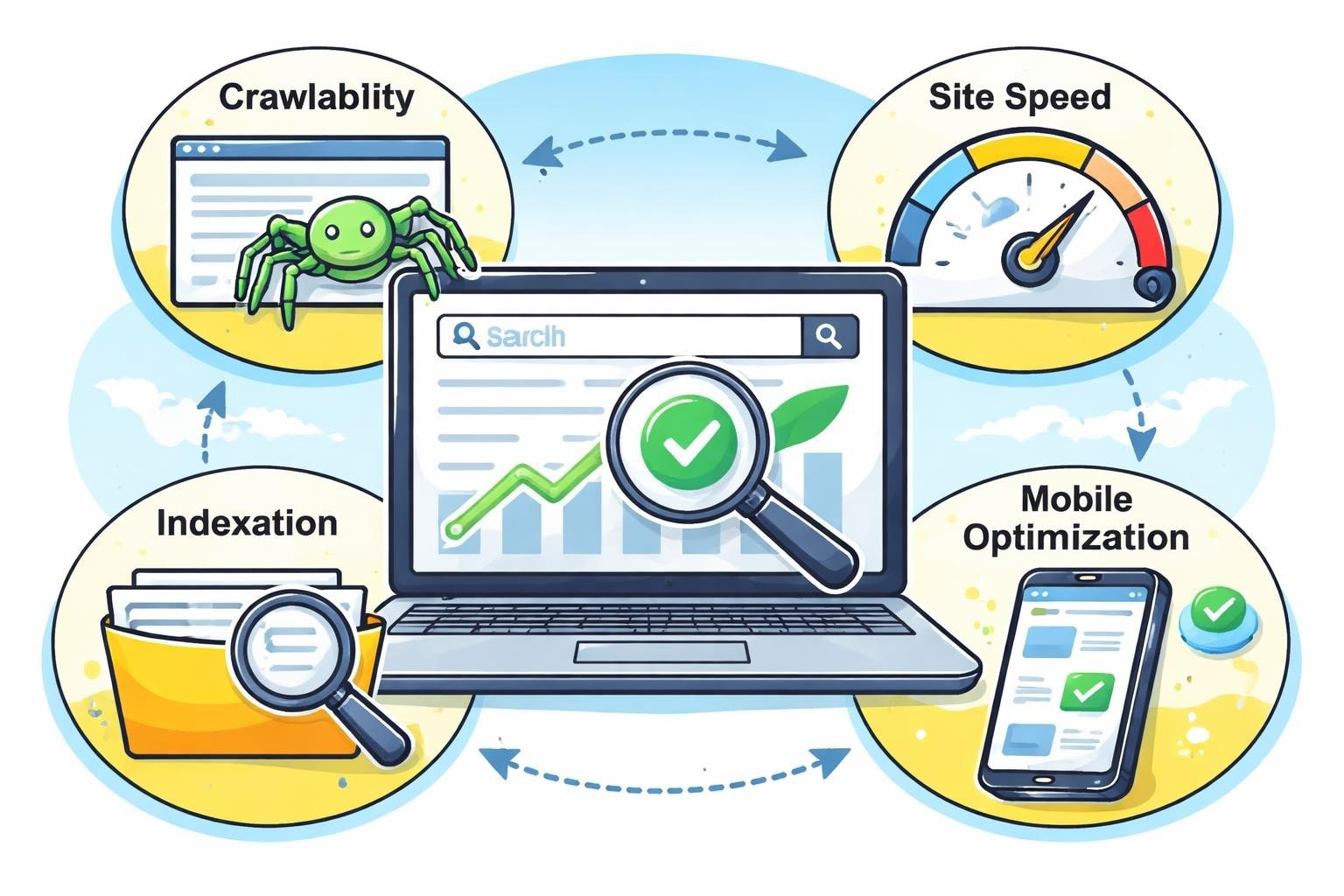
Every website has hidden obstacles that prevent it from ranking as high as it should. These technical barriers lurk beneath the surface, invisible to most business owners but glaringly obvious to search engines. Technical SEO audit services shine a light on these issues, giving you a detailed roadmap for fixing what's broken and unlocking your site's full potential. Whether you're a law firm competing for local clients or a home services business trying to dominate your market, understanding the value of a thorough technical audit can transform your online visibility.
What Technical SEO Audit Services Actually Include
A comprehensive technical SEO audit isn't just a surface-level scan. It's a deep dive into the infrastructure that supports your entire search presence.
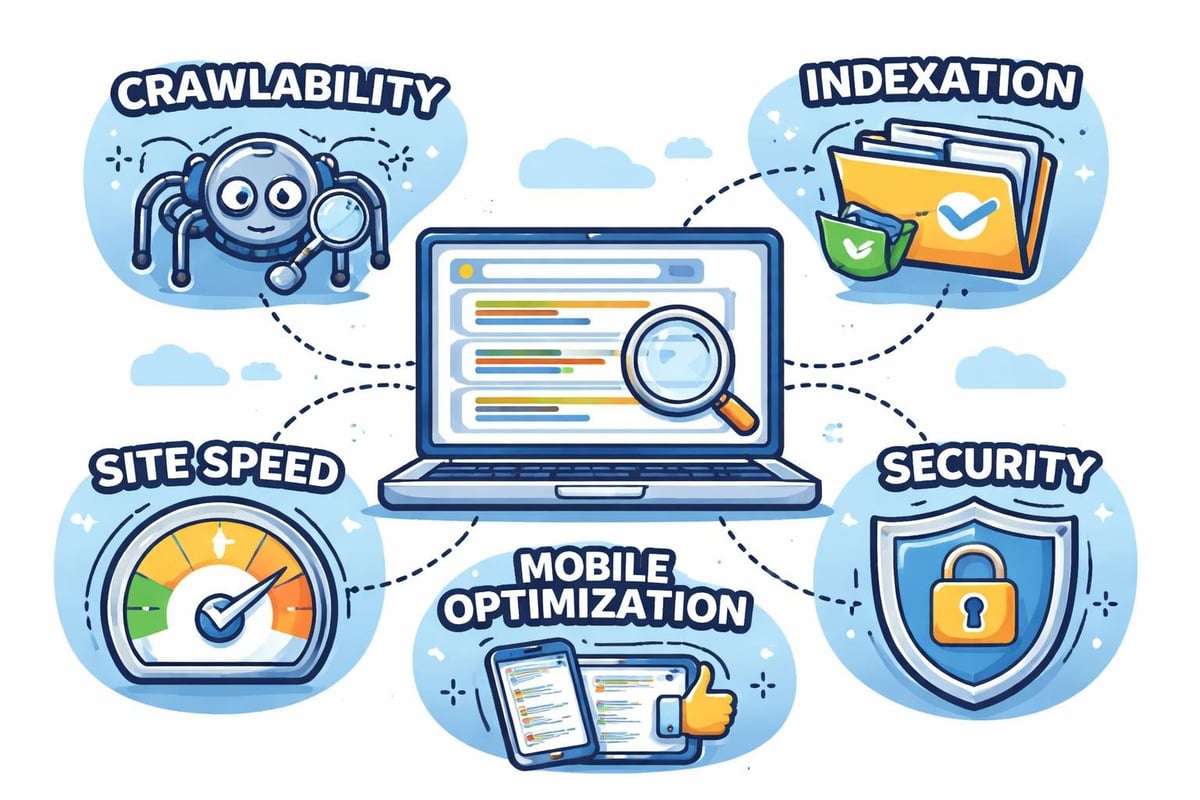
Professional technical SEO audit services examine dozens of critical elements that affect how search engines crawl, index, and rank your website. The audit process typically covers crawlability issues, indexation problems, site architecture flaws, page speed bottlenecks, mobile responsiveness, security vulnerabilities, and structured data implementation.
Core Components of a Technical Audit
When you invest in technical SEO audit services, you're getting expertise across multiple technical domains:
- Crawl Analysis: Identifying blocked resources, broken links, redirect chains, and crawl budget waste
- Indexation Review: Checking for duplicate content, canonical tag issues, and pages that shouldn't be indexed
- Site Architecture Assessment: Evaluating URL structure, internal linking patterns, and navigation hierarchy
- Performance Testing: Measuring Core Web Vitals, page load times, and server response rates
- Mobile Optimization: Verifying responsive design, mobile usability, and touch-friendly elements
- Security Checks: Confirming HTTPS implementation, mixed content issues, and SSL certificate validity
Each of these areas connects to specific ranking factors that Google uses to evaluate your site. A comprehensive technical SEO audit checklist typically includes over 120 individual checkpoints that need systematic review.
Why Your Business Needs Technical SEO Audit Services
You might have great content and strong backlinks, but technical issues can sabotage your rankings before visitors even find you.
Search engines need to access, understand, and trust your website before they'll rank it competitively. Even minor technical flaws create friction in this process. A slow-loading page loses visitors and rankings simultaneously. Broken internal links waste crawl budget and create dead ends. Duplicate content confuses search engines about which version to rank.
Real-World Impact on Business Growth
For B2B companies and professional services, technical problems directly affect lead generation. When your site takes five seconds to load instead of two, potential clients bounce before seeing your expertise. When mobile users encounter formatting issues, they choose competitors with better mobile experiences.
Consider what happened with one home remodeling company that discovered critical technical issues through an audit. Their 67% traffic growth came largely from fixing technical barriers that had been limiting visibility for months.
| Technical Issue | Business Impact | Typical Fix Time |
|---|---|---|
| Slow page speed | 40-60% visitor loss | 1-2 weeks |
| Mobile usability errors | 50%+ mobile traffic loss | 2-4 weeks |
| Broken internal links | Reduced crawl efficiency | 1 week |
| Duplicate content | Diluted ranking signals | 2-3 weeks |
| Missing structured data | Lower click-through rates | 1-2 weeks |
The cost of ignoring technical SEO compounds over time. Every month your site underperforms, competitors capture the leads and customers you're missing.
The Technical Audit Process Explained
Understanding how professional technical SEO audit services work helps you appreciate the value you're receiving.
Step 1: Crawling and Data Collection
The audit begins with specialized tools crawling your entire website, just like search engine bots do. This process identifies every URL, analyzes page elements, and flags potential problems. Tools like Screaming Frog, SEMrush, or proprietary audit platforms gather thousands of data points across your site.
We're looking for patterns that indicate systemic issues. Maybe every product page has slow load times, or perhaps your blog posts lack proper internal linking. The data collection phase reveals these trends.
Step 2: Analysis and Prioritization
Raw data becomes actionable insights through expert analysis. Not every issue carries equal weight. A critical problem affecting thousands of pages demands immediate attention, while a minor warning on a single archived post can wait.
Conducting a thorough technical SEO audit requires understanding which issues block indexation entirely versus which ones simply reduce ranking potential. Priority rankings typically fall into three categories:
- Critical Issues: Problems preventing indexation or causing security warnings
- High Priority: Technical flaws significantly impacting rankings and user experience
- Medium Priority: Optimization opportunities that improve performance incrementally
This prioritization ensures you're fixing the most damaging problems first, maximizing your return on investment.
Step 3: Recommendations and Documentation
Professional technical SEO audit services deliver clear, actionable recommendations, not just lists of problems. Each issue comes with context explaining why it matters and specific steps for resolution.
The documentation typically includes before/after examples, technical specifications for developers, and implementation timelines. You'll know exactly what needs fixing, who should fix it, and when you should expect results.

Common Technical Issues Uncovered in Audits
Every website has unique challenges, but certain technical problems appear repeatedly across industries.
Crawlability and Indexation Problems
Search engines can't rank pages they can't access. Robots.txt misconfiguration blocks important sections, while incorrect noindex tags prevent valuable pages from appearing in search results. Orphaned pages-those with no internal links pointing to them-remain invisible despite containing useful content.
We frequently discover redirect chains where one URL redirects to another, which redirects to a third. Each redirect adds delay and wastes crawl budget. Some sites have hundreds of broken links pointing to deleted pages, creating frustrating dead ends for both users and search bots.
Site Speed and Core Web Vitals
Page speed has evolved from a minor ranking factor to a crucial element of search visibility. Technical SEO audits in 2026 focus heavily on Core Web Vitals: Largest Contentful Paint (LCP), First Input Delay (FID), and Cumulative Layout Shift (CLS).
Common speed killers include:
- Unoptimized images loading at full resolution
- Excessive JavaScript blocking page rendering
- Lack of browser caching
- Slow server response times
- Missing content delivery network (CDN) implementation
For home services businesses competing in local markets, mobile page speed often makes the difference between ranking first or fifth. That gap determines whether you get the lead or your competitor does.
Mobile Optimization Gaps
Mobile-first indexing means Google predominantly uses your mobile site for ranking and indexing. Yet many businesses still have mobile experiences that frustrate users. Buttons placed too close together, text too small to read, and horizontal scrolling requirements all signal poor mobile optimization.
Interstitials and popups that cover content on mobile devices trigger ranking penalties. We regularly find sites with perfect desktop experiences but severely compromised mobile versions.
Structured Data and Schema Markup Issues
Structured data helps search engines understand your content and display rich results. Missing or incorrectly implemented schema markup means you're forfeiting valuable search features like review stars, FAQ dropdowns, and event listings.
Many sites have outdated schema formats or errors that prevent rich snippets from appearing. A technical audit identifies these missed opportunities and provides correct implementation guidelines.
Choosing the Right Technical SEO Audit Services
Not all technical SEO audit services deliver equal value. The difference between a generic automated report and a professional audit can mean thousands in lost revenue.
What to Look for in an Audit Provider
Quality technical SEO audit services combine automated tools with human expertise. Tools identify problems efficiently, but experienced SEO professionals interpret the data, understand your business context, and prioritize recommendations strategically.
Look for providers who offer:
- Custom audits tailored to your industry and business goals
- Clear documentation that non-technical stakeholders can understand
- Ongoing support for implementing recommendations
- Transparent communication about timeline and expected outcomes
- Proven track record with businesses similar to yours
For law firms seeking SEO services, technical audits should account for specific compliance requirements and local search factors. B2B companies need audits focusing on lead generation pathways and conversion optimization.
Red Flags to Avoid
Some audit services provide limited value despite professional appearances:
- Generic automated reports with no custom analysis
- Recommendations without clear prioritization
- Technical jargon without explanations
- One-time reports with no follow-up support
- Unrealistic promises about ranking improvements
A quality audit acknowledges that technical SEO is foundational but works alongside content, links, and user experience factors. Be wary of providers claiming technical fixes alone will transform your rankings overnight.
Implementing Audit Recommendations Successfully
The best technical audit is worthless if recommendations never get implemented. Turning insights into action requires planning and coordination.
Creating an Implementation Roadmap
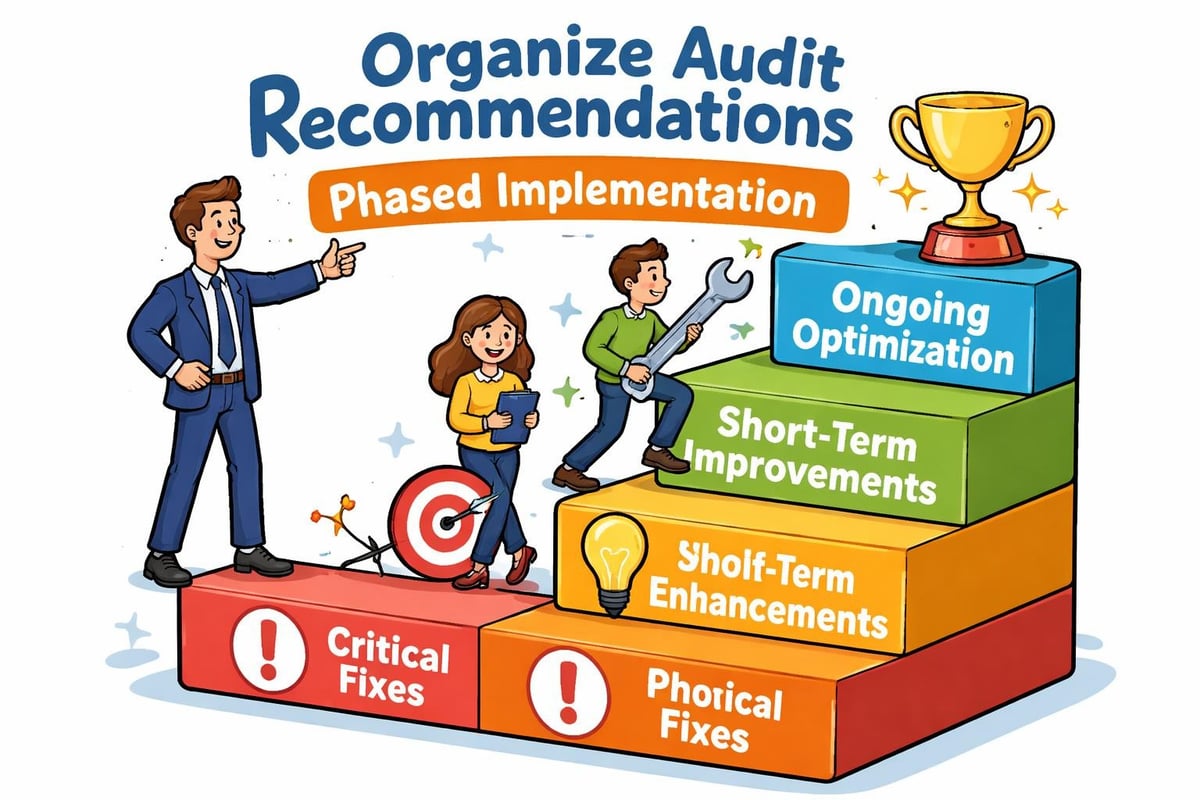
Start by organizing recommendations into phases based on priority and resource requirements. Critical issues affecting indexation come first. High-impact, low-effort fixes follow. Complex technical overhauls requiring significant development time get scheduled for later phases.
| Implementation Phase | Focus Areas | Timeline | Resources Needed |
|---|---|---|---|
| Phase 1 (Immediate) | Critical indexation issues, security problems | 1-2 weeks | Development team |
| Phase 2 (Short-term) | Page speed optimization, mobile fixes | 3-4 weeks | Developers, designers |
| Phase 3 (Medium-term) | Site architecture improvements, schema markup | 1-2 months | Full technical team |
| Phase 4 (Ongoing) | Content optimization, link structure refinement | 3-6 months | Content and SEO teams |
This phased approach prevents overwhelming your team while ensuring steady progress toward technical excellence.
Working with Development Teams
Technical implementation often requires developer involvement. Clear communication bridges the gap between SEO requirements and technical execution.
Provide developers with specific technical specifications, not just general requests. Instead of "make the site faster," share exact metrics: "Reduce LCP to under 2.5 seconds by optimizing hero images and deferring non-critical JavaScript."
Regular check-ins ensure implementations match SEO requirements. Sometimes developers solve problems differently than expected, potentially creating new SEO issues. Monitoring changes as they're deployed catches problems early.
Measuring the Impact of Technical Improvements
Technical SEO changes don't always produce immediate ranking jumps, but the results compound over time.
Key Metrics to Track
Monitor these indicators to measure technical SEO success:
- Organic traffic growth across the entire site and specific page categories
- Crawl efficiency through Google Search Console crawl stats
- Indexation rates showing the percentage of pages successfully indexed
- Core Web Vitals scores for representative page samples
- Mobile usability errors flagged in Search Console
- Conversion rates from organic search traffic
Some improvements show immediate impact. Fixing critical indexation issues might restore thousands of pages to search results within days. Other changes, like site architecture improvements, take months to fully influence rankings as search engines recrawl and reassess your site.
Long-Term Technical SEO Maintenance
Technical SEO isn't a one-time fix. Websites evolve constantly with new content, updated technologies, and changing user behaviors. Regular technical audits catch emerging issues before they significantly impact performance.
Quarterly technical SEO audits help established sites maintain optimization levels. New sites benefit from monthly reviews during initial growth phases. Major site changes-platform migrations, redesigns, or structural overhauls-always warrant immediate technical audits.
The businesses that maintain consistent technical excellence see compounding benefits. Each incremental improvement builds on previous optimizations, creating websites that search engines trust and users love.
Technical SEO Audits for Specific Industries
Different business types face unique technical challenges requiring specialized audit approaches.
Law Firms and Professional Services
Legal websites often struggle with duplicate content from similar practice area pages. Location pages targeting multiple cities can trigger thin content penalties without proper optimization.
Attorney sites also need particular attention to mobile optimization since many potential clients search during commutes or waiting rooms. Legal SEO strategies require technical audits that account for these industry-specific factors.
Professional service sites benefit especially from structured data implementation. Legal schema markup helps display attorney credentials, practice areas, and reviews directly in search results.
Home Services Businesses
HVAC companies, plumbers, electricians, and contractors face intense local competition. Technical audits for these businesses prioritize local SEO factors like Google Business Profile integration, location-based schema markup, and NAP (name, address, phone) consistency.
Service area pages often create technical challenges. Multiple location pages need unique, valuable content to avoid duplication issues. Home services SEO requires balancing comprehensive location coverage with technical best practices.
Many home services sites suffer from slow mobile speeds due to large hero images showcasing completed projects. Technical audits identify optimization opportunities that maintain visual appeal while improving performance.
B2B and SaaS Companies
Complex B2B sites with extensive product catalogs face technical scaling challenges. Proper faceted navigation implementation prevents duplicate content while maintaining user-friendly browsing. Category and subcategory structures need careful planning to distribute link equity effectively.
SaaS companies often have resource centers with hundreds of guides, case studies, and documentation pages. Without proper internal linking and site architecture, valuable content becomes orphaned and invisible to search engines.
For B2B businesses, technical audits often reveal opportunities in conversion path optimization. Beyond rankings, technical improvements that streamline the journey from search to signup directly impact revenue.
Advanced Technical SEO Considerations
As search evolves, technical SEO expands beyond traditional website factors.
JavaScript SEO and Modern Frameworks
Many modern websites use JavaScript frameworks like React, Vue, or Angular for dynamic content rendering. These frameworks create technical SEO challenges since search engines may struggle to render and index JavaScript-generated content.
Technical audits for JavaScript sites verify that critical content appears in the initial HTML, implement proper dynamic rendering solutions, and ensure search bots can access all important pages. Comprehensive technical SEO guides now include JavaScript-specific testing protocols.
International SEO and Hreflang Implementation
Businesses serving multiple countries or languages need proper international SEO implementation. Hreflang tags tell search engines which language and regional versions to show different users.
Common hreflang mistakes include incorrect language codes, missing return tags, and conflicting signals between hreflang and canonical tags. These errors cause search engines to show the wrong language version to users, creating terrible user experiences and lost conversions.
AI Search and Voice Optimization
With AI-powered search platforms gaining prominence, technical optimization extends beyond traditional search engines. Structured data becomes even more critical for AI systems extracting information from your site.
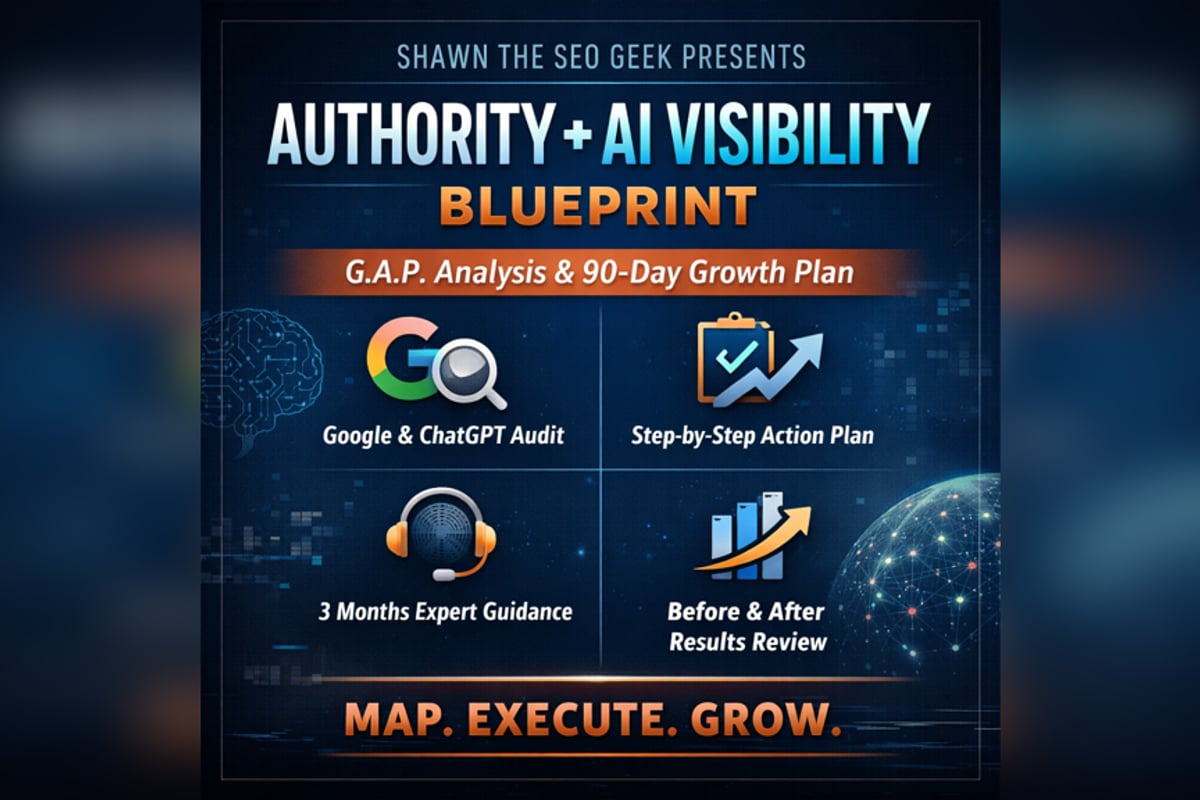
Understanding where your business appears in AI search results requires specialized analysis. An Authority + AI Visibility Blueprint assesses your presence across both traditional Google search and emerging AI platforms like ChatGPT, providing a clear roadmap for maximizing visibility in this evolving landscape.
Voice search optimization overlaps heavily with technical SEO. Fast-loading, mobile-optimized sites with clear structured data perform better in voice results. Featured snippet optimization helps capture voice search queries that pull answers from position-zero results.
Technical SEO Tools and Resources
Professional technical SEO audit services leverage specialized tools that most businesses don't have in-house.
Essential Audit Tools
The most comprehensive audits combine multiple tools to cross-reference findings:
- Screaming Frog SEO Spider: Desktop crawler providing detailed technical data
- Google Search Console: Official Google tool showing indexation status and technical issues
- Google PageSpeed Insights: Core Web Vitals measurement and optimization suggestions
- SEMrush Site Audit: Cloud-based crawler with visualization and tracking features
- Ahrefs Site Audit: Technical crawler integrated with backlink and keyword data
No single tool catches everything. Technical SEO audit processes typically involve running multiple tools and reconciling their findings to build a complete picture.
Free vs. Paid Audit Resources
Free tools provide valuable starting points but have limitations. Google Search Console and PageSpeed Insights offer excellent insights at no cost. However, they don't provide the depth, historical tracking, or comprehensive crawling that professional audits deliver.
Paid tools and professional services make sense when technical issues significantly impact revenue. The cost of quality technical SEO audit services typically returns multiples through improved rankings, traffic, and conversions.
Staying Current with Technical SEO Changes
Search engines constantly update how they crawl, index, and rank websites. Technical best practices from 2024 may not work optimally in 2026.
Algorithm Updates and Technical Requirements
Google's algorithm updates increasingly emphasize technical factors. The page experience update made Core Web Vitals official ranking signals. Mobile-first indexing changed how sites need to be structured. Future updates will likely add new technical requirements.
Staying informed requires monitoring official search engine blogs, following respected SEO publications, and working with SEO professionals who track industry developments as their full-time focus.
Continuous Improvement Mindset
The most successful businesses treat technical SEO as an ongoing program, not a one-time project. Regular audits catch regression as site complexity increases. New features and content can inadvertently introduce technical problems if not carefully monitored.
Building technical SEO into your standard development process prevents issues before they impact rankings. Every new page template, structural change, or feature addition should consider SEO implications from the start.
How to conduct thorough technical SEO audits becomes easier with established processes and checklists guiding regular reviews.
The ROI of Professional Technical SEO Audits
Investing in technical SEO audit services generates measurable returns across multiple business metrics.
Quantifying Technical SEO Value
Calculate potential ROI by considering:
- Recovered traffic from fixing indexation and crawl issues
- Improved conversion rates through better page speed and mobile experience
- Reduced bounce rates from faster loading and better usability
- Higher rankings for competitive keywords once technical barriers are removed
- Increased crawl efficiency allowing more pages to be indexed and updated
A law firm that fixes technical issues preventing 50 pages from being indexed might capture 200 additional monthly visitors. At a 5% consultation request rate and 20% client conversion rate, that's two additional clients monthly. If average client value is $5,000, the technical audit generated $120,000 in annual revenue.
Comparing DIY vs. Professional Audits
Some business owners attempt technical audits themselves using free tools and online resources. This approach works for small sites with limited technical complexity. However, most businesses lack the expertise to identify subtle technical issues or prioritize fixes strategically.
Professional technical SEO audit services bring years of pattern recognition across hundreds of websites. We've seen what works, what doesn't, and what common mistakes to avoid. This experience accelerates results and prevents costly errors.
The time investment alone favors professional audits for busy business owners. A comprehensive audit might take 20-30 hours of focused technical work-time better spent on core business activities while experts handle technical optimization.
Future-Proofing Your Technical Foundation
Building robust technical infrastructure protects against future algorithm changes and prepares your site for growth.
Scalable Architecture Planning
As your business grows, your website needs to scale without introducing technical problems. Proper URL structure, logical site hierarchy, and efficient internal linking create foundations that support thousands of pages without degradation.
Planning for scale means implementing systems that work whether you have 100 pages or 10,000. Category structures, filtering systems, and content organization need thoughtful architecture from the start.
Progressive Enhancement Strategies
Rather than completely rebuilding sites, smart businesses implement progressive enhancements based on audit findings. This approach maintains continuous optimization without the risks and costs of total redesigns.
Small, consistent technical improvements compound into significant advantages over time. Each audit cycle identifies the next layer of optimization opportunities, keeping your site ahead of competitors who neglect technical foundations.
Technical excellence forms the foundation for all other SEO efforts, making professional technical SEO audit services an essential investment for businesses serious about organic growth. The issues hiding beneath your site's surface directly impact your ability to compete in search results and convert visitors into customers. With over two decades of experience and 500+ successful campaigns, Shawn the SEO Geek delivers the hands-on, results-driven technical audits that businesses in Bucks County and beyond need to thrive online. Ready to uncover what's holding your site back and get a clear roadmap for improvement? Let's talk about your technical SEO foundation today.