
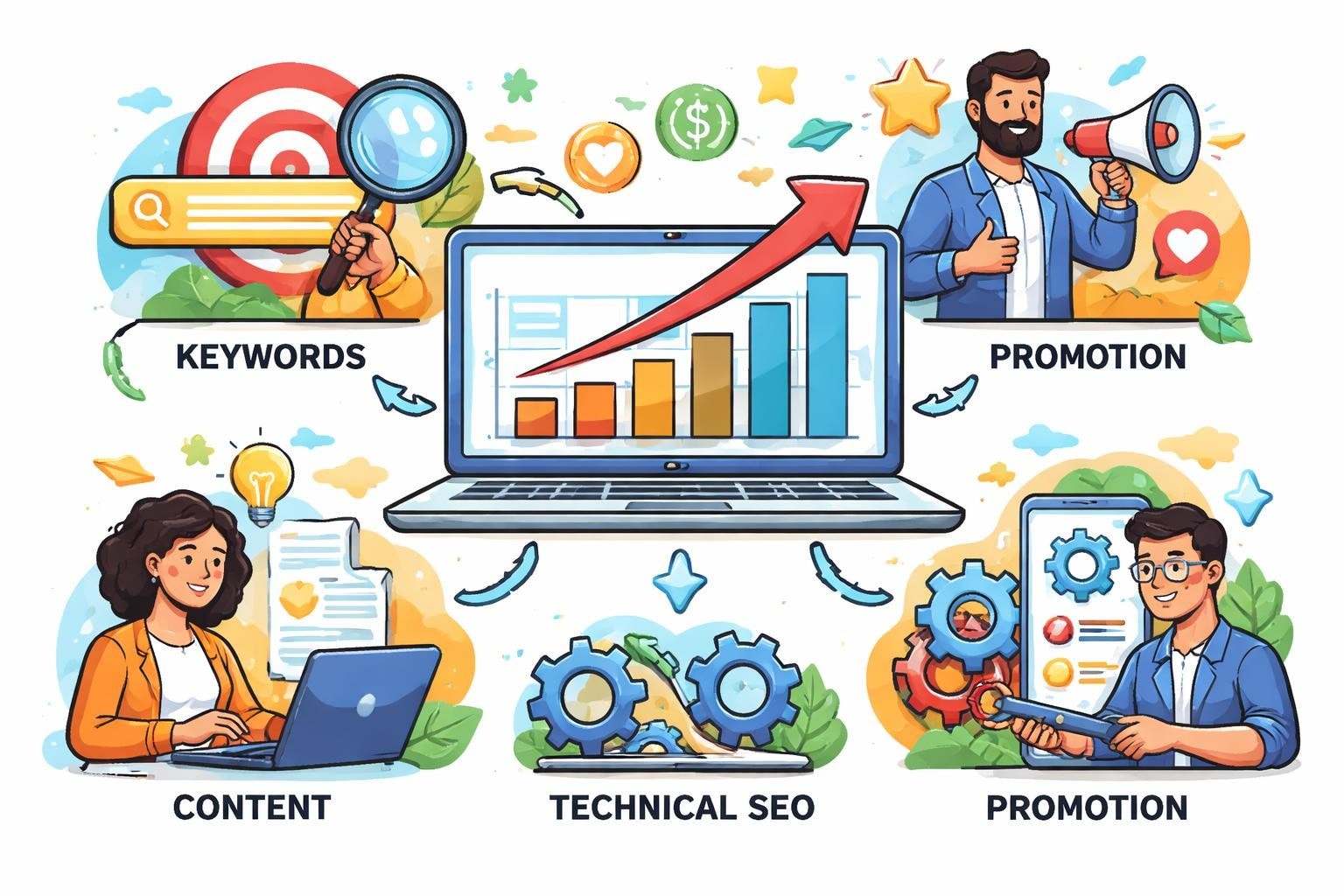
When you think about growing your business online, two terms constantly come up: marketing and SEO. These aren't separate strategies competing for your attention-they're complementary forces that work together to build your digital presence. Understanding how marketing and SEO intersect can transform your approach to attracting customers, building brand awareness, and driving sustainable growth. In 2026, businesses that master this integration are seeing remarkable results, while those treating them as isolated tactics struggle to keep pace.
How Marketing and SEO Create a Powerful Partnership
Marketing encompasses everything you do to promote your business, from social media campaigns to email newsletters. SEO focuses specifically on making your website visible in search engines like Google. The magic happens when these two disciplines align.
Think of marketing as your megaphone and SEO as your targeting system. Marketing amplifies your message, while SEO ensures it reaches people actively searching for solutions you provide. When you create content that serves both purposes-engaging your audience while incorporating strategic keywords-you multiply your impact.
The Foundation: Understanding Search Intent
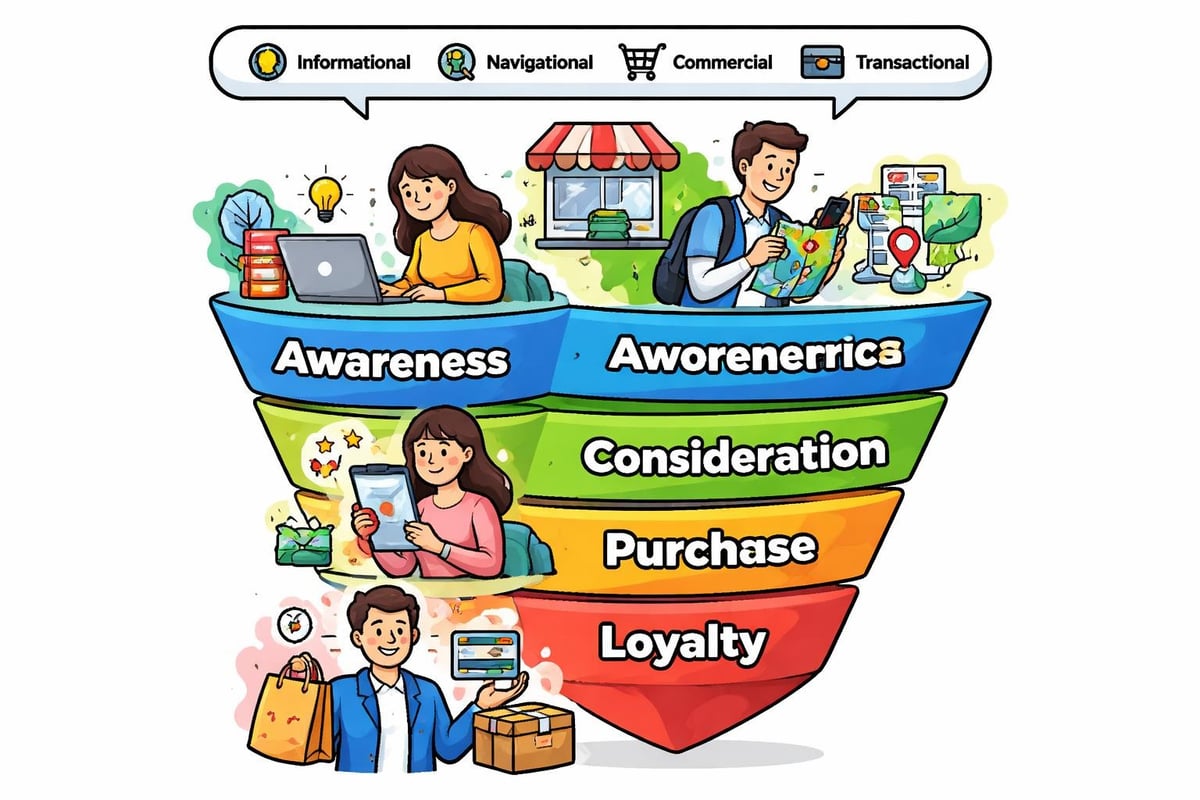
Modern marketing and SEO both prioritize understanding what your customers actually need. Search intent drives this understanding. Are people looking for information, trying to make a purchase, or comparing options?
Four types of search intent shape your strategy:
- Informational: Users seeking knowledge ("how to improve local SEO")
- Navigational: Searching for specific brands or websites
- Commercial: Researching products before buying ("best SEO tools for agencies")
- Transactional: Ready to purchase or take action
When your marketing messages align with search intent at each stage, you create a seamless journey from discovery to conversion. Implementing SEO best practices means crafting content that genuinely serves these needs rather than just chasing keywords.
Building Your Marketing and SEO Strategy for 2026
The landscape has evolved dramatically. AI-powered search, voice queries, and changing user behaviors mean your 2020 playbook won't cut it anymore. Here's how to build a strategy that works today.
Keyword Research That Drives Results
Keywords remain the bridge connecting your content to your audience. But forget about stuffing exact phrases into every paragraph. Smart keyword research in 2026 focuses on topics, questions, and natural language.
Start by identifying your core topics-the main themes your business addresses. For a law firm, that might include personal injury claims, estate planning, and business litigation. Within each topic, explore the specific questions potential clients ask.
| Research Phase | Action | Tool/Method |
|---|---|---|
| Discovery | Identify core topics | Customer interviews, sales data |
| Expansion | Find related questions | Google autocomplete, forums |
| Analysis | Assess difficulty and volume | SEO platforms, competitor analysis |
| Prioritization | Choose winnable keywords | Balance difficulty with business value |
Understanding how to master SEO requires looking beyond simple metrics to understand the competitive landscape and your unique advantages. Many businesses serving service-based industries find success targeting local, specific long-tail keywords rather than fighting for impossible national terms.
Content That Serves Marketing and SEO Goals
Your content needs to accomplish two missions simultaneously: rank in search engines and convert visitors into customers. This isn't as difficult as it sounds when you approach it strategically.
Essential content types for integrated success:
- Pillar pages that comprehensively cover main topics
- Cluster content addressing specific subtopics with internal links
- FAQ content answering common customer questions
- Case studies showcasing real results
- How-to guides providing actionable value
Each piece should target specific keywords while maintaining a conversational, helpful tone. Write for humans first, search engines second. Google's algorithms have become sophisticated enough to recognize genuinely valuable content versus keyword-stuffed nonsense.
The businesses seeing the strongest results from their SEO audit services typically discover gaps in their content strategy-places where competitors provide more comprehensive information or better answer customer questions.
Technical SEO: The Infrastructure Behind Marketing Success
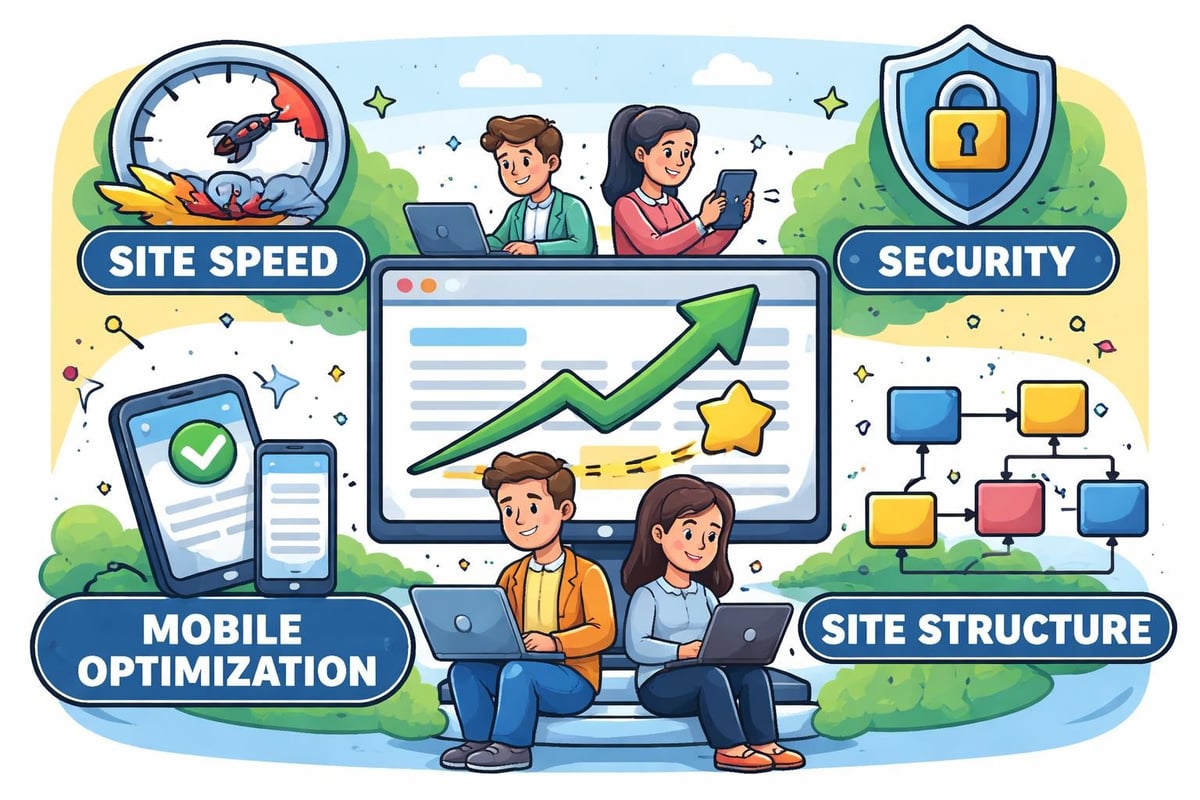
You can create brilliant marketing content all day long, but if your website has technical issues, it won't rank. Technical SEO ensures search engines can properly crawl, index, and understand your site.
Core Technical Elements to Master
Site speed matters more than ever. Google uses Core Web Vitals as ranking factors, measuring how quickly your pages load and become interactive. A slow website doesn't just hurt your rankings-it kills conversions. Studies consistently show that even a one-second delay reduces conversion rates significantly.
Mobile optimization isn't optional. Over 60% of searches happen on mobile devices in 2026. If your site doesn't provide an excellent mobile experience, you're losing both rankings and customers.
Technical SEO checklist for 2026:
- Fast page load times (under 2.5 seconds)
- Mobile-responsive design
- Secure HTTPS protocol
- Clean URL structure
- XML sitemap submission
- Proper schema markup
- Fixed broken links and 404 errors
- Optimized images with descriptive alt text
Schema Markup and Rich Results
Schema markup helps search engines understand your content context, enabling rich results like star ratings, FAQ snippets, and event details. These enhanced listings improve click-through rates even when you're not in the top position.
For businesses offering specialized services like SEO for home services or legal SEO, implementing local business schema and service schema can dramatically improve visibility in location-based searches.
The Rise of AI and Answer Engine Optimization
Traditional SEO focused on ranking in the ten blue links. In 2026, we're witnessing the AEO revolution, where AI engines like ChatGPT, Perplexity, and Google's AI Overviews provide direct answers without requiring clicks.
Adapting Your Strategy for AI Visibility
Answer Engine Optimization means structuring content so AI can easily extract and cite your information. This requires clear, concise answers to specific questions, properly formatted with headers and lists.
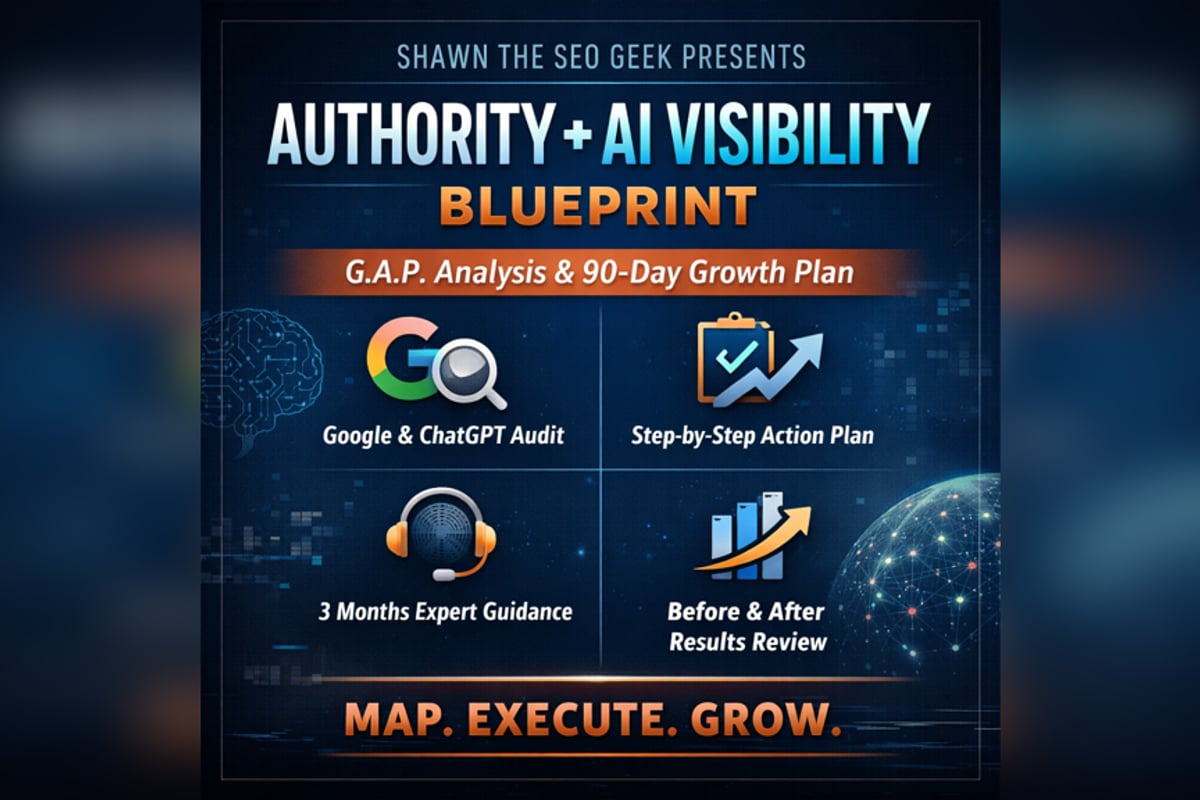
When potential clients ask AI tools for recommendations, you want your business mentioned. Getting visibility in these tools can provide a competitive edge before most businesses even realize the landscape has shifted. An Authority + AI Visibility Blueprint starts with auditing your current presence in both traditional search and AI platforms, then provides a clear roadmap for improving visibility across both channels.
Link Building: The Marketing Side of SEO
Backlinks remain a crucial ranking factor, but earning them requires marketing skills. You're essentially promoting your content to other websites, convincing them it's valuable enough to reference.
Effective Link Building Strategies
Quality over quantity defines modern link building:
- Guest posting on industry-relevant sites
- Creating linkable assets (research, tools, comprehensive guides)
- Digital PR and journalist outreach
- Partnership and collaboration opportunities
- Broken link reclamation
- Unlinked brand mention conversion
Following current SEO best practices means focusing on earning links from authoritative, relevant sources rather than buying links or participating in link schemes. One high-quality backlink from an industry publication beats dozens of low-quality directory listings.
Building relationships matters as much as building links. When you connect with industry peers, journalists, and complementary businesses, link opportunities emerge naturally through collaborations, quotes, and references.
Local SEO: Where Marketing and SEO Meet Community
For businesses serving specific geographic areas, local SEO represents the perfect marriage of marketing and SEO. You're not just optimizing for keywords-you're building community presence and reputation.
Dominating Local Search Results
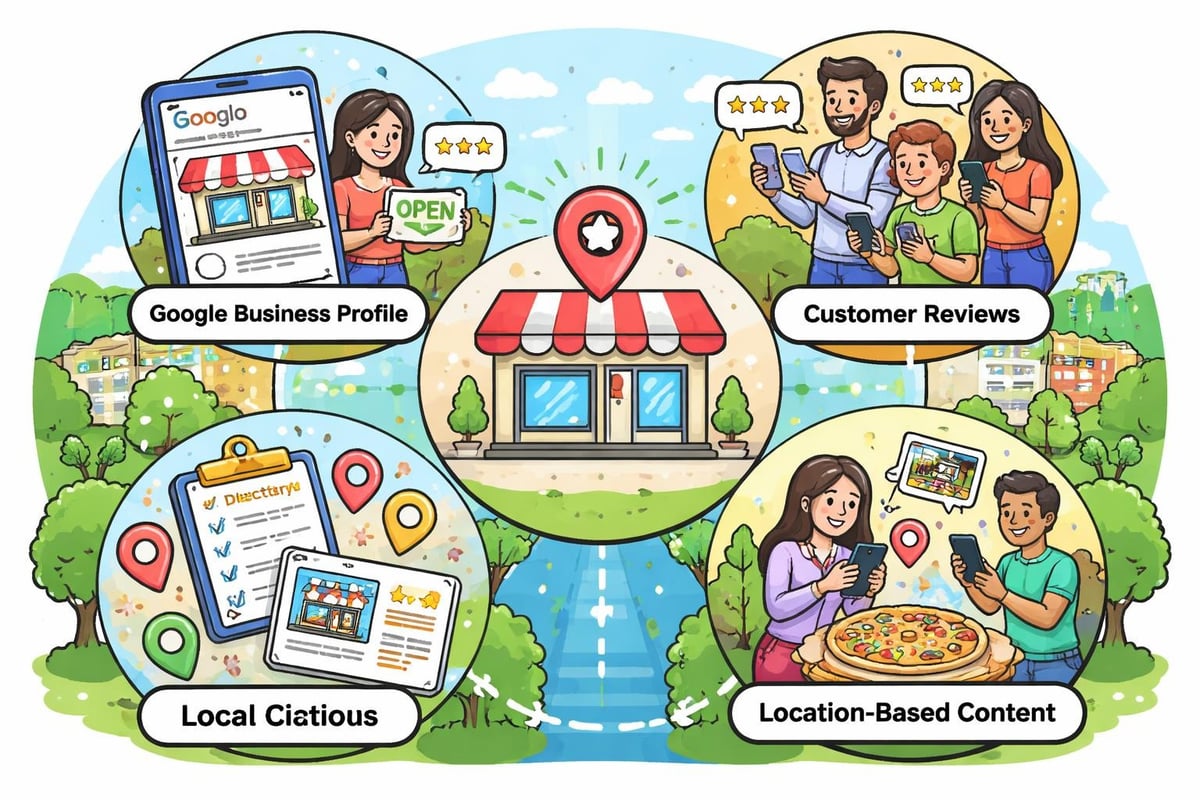
Your Google Business Profile acts as your local storefront. Complete every section, add photos regularly, respond to reviews, and post updates. These aren't just SEO tasks-they're marketing opportunities to showcase your personality and expertise.
| Local SEO Element | Marketing Benefit | SEO Impact |
|---|---|---|
| Google Business Profile | Brand showcase, customer engagement | Local pack rankings |
| Customer reviews | Social proof, trust building | Ranking signal, CTR boost |
| Local citations | Brand awareness across platforms | NAP consistency signal |
| Location pages | Targeted local messaging | Geographic relevance |
Businesses offering local SEO optimization services understand that success requires consistent effort across multiple platforms-not just Google, but Bing, Apple Maps, and industry-specific directories.
Measuring Success: Analytics That Matter
Marketing and SEO generate massive amounts of data. The key is identifying metrics that actually indicate business growth rather than vanity numbers that look impressive but don't impact revenue.
Key Performance Indicators to Track
Rankings matter, but they're not the end goal. Track them to understand trends and identify opportunities, not to obsess over daily fluctuations. Focus instead on metrics tied to business outcomes.
Essential metrics for integrated success:
- Organic traffic volume and quality
- Conversion rate from organic visitors
- Keyword rankings for money terms
- Backlink growth and quality
- Page engagement metrics (time on page, bounce rate)
- Revenue attributed to organic search
- Customer acquisition cost from SEO
Understanding which keywords drive conversions-not just traffic-transforms your strategy. You might discover that ranking #1 for a high-volume term brings thousands of visitors but zero customers, while a specific long-tail phrase brings 20 visitors monthly who convert at 30%.
Content Distribution: Amplifying Your SEO Investment
Creating SEO-optimized content represents only half the battle. Distribution and promotion extend your reach beyond organic search, creating multiple pathways for discovery.
Multi-Channel Content Promotion
Share your content across social media platforms where your audience gathers. Repurpose blog posts into LinkedIn articles, Twitter threads, or YouTube videos. Each format reaches different audience segments.
Email marketing amplifies your SEO content. When you publish a comprehensive guide or case study, send it to your email list. This drives immediate traffic, engagement signals that benefit SEO, and positions you as the expert who solved that problem.
Consider paid promotion for your best content. A small budget promoting a pillar page to your target audience can accelerate results while organic rankings build. The traffic and engagement from paid promotion often improves organic performance over time.
The Tools That Power Marketing and SEO
You don't need a massive budget to compete effectively. Strategic tool selection provides the insights needed to make informed decisions without overwhelming complexity.
Reviewing the best SEO tools available in 2026 reveals options for every budget and skill level. The right combination depends on your specific needs, team size, and goals.
Essential Tool Categories
Research and analysis tools help identify opportunities, understand competitors, and track performance. These range from comprehensive platforms like Semrush and Ahrefs to specialized tools for specific tasks.
Technical SEO tools crawl your website, identifying issues that prevent optimal performance. Some focus on speed, others on crawlability, and some provide comprehensive audits covering every technical aspect.
Content optimization platforms guide on-page optimization, ensuring your content targets the right keywords with proper structure and readability. Many now incorporate AI to suggest improvements and predict performance.
Rank tracking software monitors your position for target keywords across locations and devices. While daily rankings fluctuate, trends over weeks and months reveal strategy effectiveness.
Creating Your SEO Content Calendar
Consistency beats sporadic brilliance in marketing and SEO. A content calendar ensures regular publishing while balancing different content types, topics, and objectives.
Planning for Sustained Success
Map content to the customer journey. Awareness-stage content targets informational keywords and broad topics. Consideration-stage content compares options and explores solutions. Decision-stage content addresses specific objections and showcases your unique value.
Monthly content calendar structure:
- 2-3 pillar pages or comprehensive guides
- 4-6 cluster content pieces supporting pillars
- 2-3 timely pieces addressing current trends
- 1 case study or success story
- Regular updates to existing high-performing content
Updating existing content often delivers better ROI than creating new pages. Following proven SEO campaign strategies includes regularly refreshing top-performing content with current information, better examples, and expanded coverage.
Don't just create content and forget it. Monitor performance, identify underperforming pages, and improve them. Sometimes a slight title adjustment or additional section can transform a page from mediocre to exceptional.
The Human Element in Marketing and SEO
Despite all the talk about algorithms and automation, marketing and SEO ultimately connect humans with solutions to their problems. The businesses seeing the strongest results remember this fundamental truth.
Write for real people facing real challenges. Yes, include keywords and follow technical best practices, but never sacrifice clarity and helpfulness for optimization. Google's algorithms increasingly reward content that genuinely serves user needs.
Build relationships, not just links. Engage with your community through comments, social media, and email. Answer questions thoroughly. Provide value without immediately expecting something in return. These relationship-building activities support both marketing and SEO goals while creating genuine connections.
Expertise, authoritativeness, and trustworthiness (E-A-T) matter more than ever. Demonstrate your knowledge through detailed, accurate content. Showcase credentials and experience. Be transparent about who you are and why people should trust your advice.
Avoiding Common Marketing and SEO Mistakes
Even experienced businesses fall into predictable traps. Awareness of these pitfalls helps you avoid wasted effort and frustration.
Frequent mistakes to avoid:
- Targeting keywords too competitive for your current authority
- Neglecting mobile optimization
- Creating thin content that doesn't serve user needs
- Ignoring technical issues that prevent indexing
- Building low-quality backlinks
- Optimizing for search engines instead of people
- Expecting immediate results from long-term strategies
Patience proves essential. SEO delivers compound returns over time. Your efforts this month might not show significant results for three to six months, but the cumulative effect of consistent optimization creates sustainable growth that paid advertising can't match.
Working with experienced professionals can accelerate results while avoiding costly mistakes. Many businesses discover through professional SEO consulting that they've been focusing on the wrong priorities or missing critical technical issues holding back their entire strategy.
Marketing and SEO work best when approached as integrated strategies rather than separate tactics. By understanding how keyword research, content creation, technical optimization, and promotion work together, you build a sustainable system for attracting customers and growing your business. Whether you're just starting your SEO journey or looking to enhance existing efforts, Shawn the SEO Geek brings over two decades of expertise helping businesses across industries achieve measurable results through customized, transparent strategies that prioritize your unique goals.