
The search landscape has transformed dramatically over the past year. While Google remains important, millions of people now turn to ChatGPT and other AI tools for answers to their questions. If your business isn't showing up in these AI-generated responses, you're missing out on a massive opportunity to connect with potential customers. Learning how to get found in ChatGPT isn't just about staying current; it's about positioning your business where your audience is actively searching for solutions in 2026.
Understanding how AI search works requires a different approach than traditional SEO. The good news? Many of the foundational principles still apply, but they need to be adapted for how AI systems evaluate, select, and cite sources. Let's explore exactly what it takes to make your business visible in this new era of search.
How ChatGPT Actually Selects Sources
The process ChatGPT uses to choose which websites to cite is more sophisticated than many people realize. Unlike traditional search engines that primarily rank based on backlinks and keywords, ChatGPT uses a structured RAG pipeline to evaluate content quality and relevance.
When someone asks ChatGPT a question, the system performs several operations simultaneously. It expands the query to understand intent, searches through massive datasets, evaluates content quality signals, and then selects the most appropriate sources to synthesize into an answer.
The Multi-Criteria Evaluation System
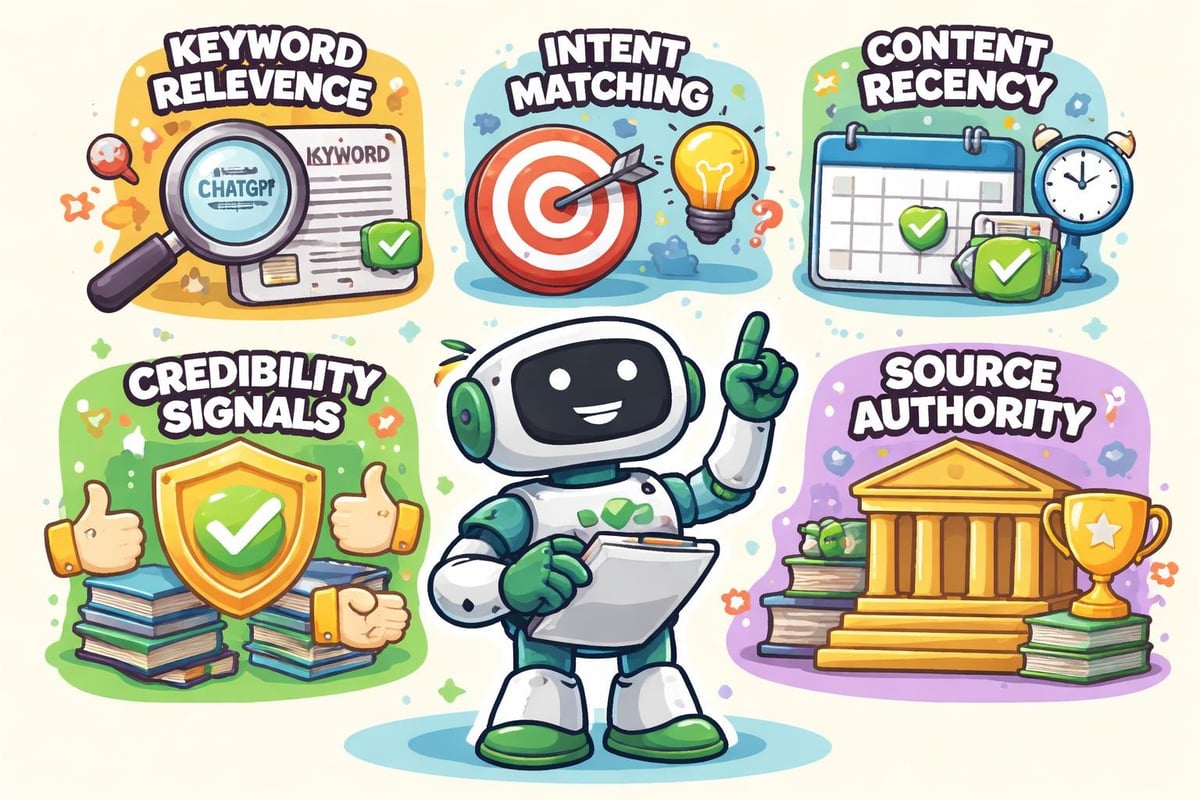
ChatGPT doesn't just pick sources randomly. The system employs a multi-criteria evaluation approach that weighs multiple factors:
- Keyword relevance and semantic alignment with the query
- Search intent matching to ensure the content answers what users actually need
- Content recency and freshness, particularly for time-sensitive topics
- Credibility signals including domain authority and expertise markers
- Source authority demonstrated through comprehensive, well-researched information
Understanding these criteria helps you optimize your content strategy to get found in ChatGPT more consistently.
Building Authority and Trust Signals
Authority isn't something you can fake when it comes to AI visibility. ChatGPT and similar platforms prioritize content from sources that demonstrate genuine expertise and trustworthiness. This means your online reputation directly impacts your AI visibility.
Think about how you establish expertise in your industry. Your content should showcase deep knowledge, practical insights, and real-world experience. For instance, if you run an HVAC business, don't just write generic articles about air conditioning maintenance. Share specific troubleshooting tips, seasonal maintenance schedules, and cost-saving strategies that only someone with genuine field experience would know.
Creating Entity-Dense Content
One factor that significantly influences whether you get found in ChatGPT is how entity-dense your content is. Entities are specific people, places, organizations, concepts, or things that AI systems can clearly identify and connect.
Instead of writing vaguely about "improving your marketing," be specific: "implementing conversion rate optimization for Shopify stores" or "local SEO strategies for law firms in Pennsylvania." This specificity helps AI systems understand exactly what expertise you offer.
| Content Type | Generic Approach | Entity-Dense Approach |
|---|---|---|
| Service Description | "We help businesses grow" | "We help Bucks County law firms increase client inquiries through local SEO" |
| Blog Topic | "Marketing tips" | "Google Business Profile optimization for HVAC contractors" |
| Case Study | "Client success story" | "How a Philadelphia carpet cleaning company increased leads 300% through local search" |
The more specific and entity-rich your content, the easier it is for AI systems to understand and cite you as a relevant source.
Optimizing Content Structure for AI
The way you structure your content matters enormously when trying to get found in ChatGPT. AI systems favor content that's well-organized, clearly formatted, and easy to parse. This isn't just about making things pretty; it's about making your information accessible to machine learning algorithms.
Start with clear, descriptive headings that accurately reflect the content beneath them. Use proper heading hierarchy (H2, H3, H4) to show relationships between topics. Break up long paragraphs into digestible chunks. These aren't just best practices for human readers; they're essential signals for AI comprehension.
Structured Data and Schema Markup
While traditional SEO has emphasized schema markup for years, it's even more critical for AI visibility. Structured data helps ChatGPT and other AI tools understand exactly what your content represents.
Implement schema markup for:
- Organization details including your business name, location, and contact information
- Article structures with clear author, publish date, and topic categorization
- FAQ sections that directly answer common questions
- How-to guides with step-by-step instructions
- Review and rating data to demonstrate social proof
The investment in proper structured data pays dividends across both traditional search and AI platforms.
Content Quality Over Quantity
You've probably heard "content is king" a thousand times, but when it comes to getting found in ChatGPT, quality absolutely trumps quantity. AI systems are remarkably good at distinguishing between thin, regurgitated content and genuinely valuable information.
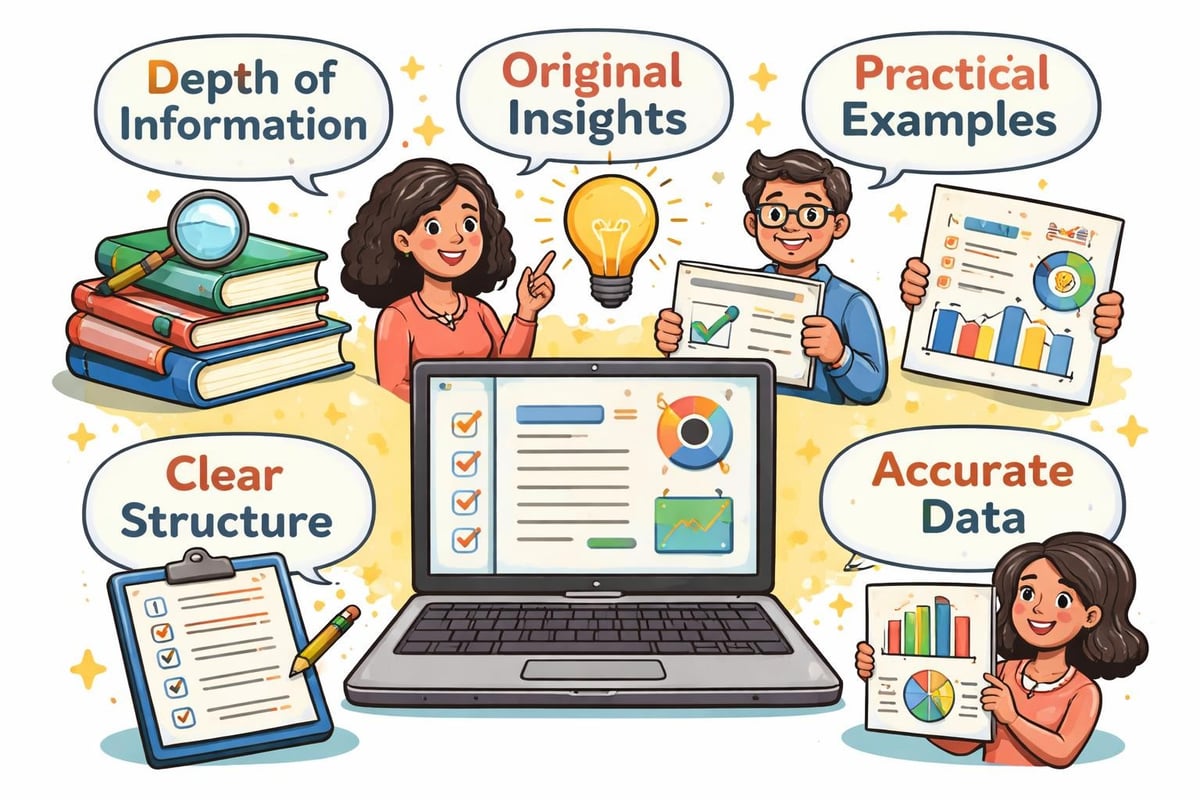
Focus on creating comprehensive resources that thoroughly address topics from multiple angles. A single 2,000-word guide that genuinely helps your audience will outperform ten 200-word fluff pieces every time.
Original Research and Data
One of the most powerful ways to get found in ChatGPT is by creating original research and proprietary data. When you publish unique statistics, case studies, or survey results, you create citable content that AI systems need to reference.
For example, if you analyze conversion rates across different industries based on your client work, that original data becomes valuable to anyone researching those topics. ChatGPT will cite your research when answering related queries because you're the primary source.
Technical Foundations Matter
While content quality drives AI visibility, technical SEO remains the foundation. If ChatGPT's crawlers can't access your content efficiently, even the best information won't help you get found in ChatGPT.
Crawlability and Indexing
According to research on how ChatGPT cites websites, crawl access is one of the five critical factors. Ensure your robots.txt file doesn't block important content, your sitemap is up to date, and your site loads quickly.
- Check for crawl errors in Google Search Console regularly
- Maintain a clean, logical URL structure
- Eliminate duplicate content issues
- Ensure mobile responsiveness and fast page speeds
- Fix broken links and redirect chains
These technical elements create the foundation that allows AI systems to access and evaluate your content properly.
Topic Clustering and Internal Linking
To maximize your chances of getting found in ChatGPT, organize your content into clear topic clusters. This approach demonstrates comprehensive expertise in specific areas rather than superficial coverage of many topics.
Create pillar content that thoroughly covers broad topics, then develop supporting articles that dive deeper into specific subtopics. For instance, a pillar page about local SEO services might link to detailed guides about Google Business Profile optimization, local citation building, and review management.
Strategic Internal Linking
Your internal linking structure tells AI systems how your content relates and which pages are most important. Link related articles together naturally, use descriptive anchor text, and ensure your most valuable content receives the most internal links.
When writing about SEO for service businesses, naturally link to related topics like contractor SEO or local optimization strategies. These connections help AI systems understand your expertise breadth and depth.
Freshness and Regular Updates
Content recency plays a significant role in AI source selection, particularly for topics where current information matters. You don't need to constantly publish new content, but you should regularly update existing articles with fresh information, new examples, and current data.
Set a schedule to review and refresh your most important content quarterly. Update statistics, add new case studies, incorporate recent industry developments, and remove outdated information. These updates signal to AI systems that your content remains current and reliable.
| Update Type | Frequency | Impact on AI Visibility |
|---|---|---|
| Date references | Every review | High (shows currency) |
| Statistics and data | Quarterly | Very high (new information) |
| Examples and case studies | Bi-annually | High (practical relevance) |
| Screenshots and visuals | Annually | Medium (supporting context) |
| Core information accuracy | As needed | Critical (trust factor) |
Answering Real Questions
One of the most effective strategies to get found in ChatGPT involves identifying and answering the actual questions your audience asks. Think about the queries that bring people to your business.
Research question-based keywords using tools like Answer the Public, Google's "People Also Ask" feature, and your own customer service inquiries. Then create content that directly addresses these questions with clear, comprehensive answers.
FAQ Sections and Question-Based Content
Dedicated FAQ pages and question-format articles perform exceptionally well in AI responses. When someone asks ChatGPT a specific question, content that directly addresses that query in a clear format stands out.
Structure your content to answer questions like:
- "How much does [service] cost in [location]?"
- "What's the difference between [option A] and [option B]?"
- "How long does it take to see results from [strategy]?"
- "What are the best practices for [specific task]?"
The more directly you answer common questions, the more likely you'll get found in ChatGPT when those questions arise.
Building a Comprehensive AI Visibility Strategy
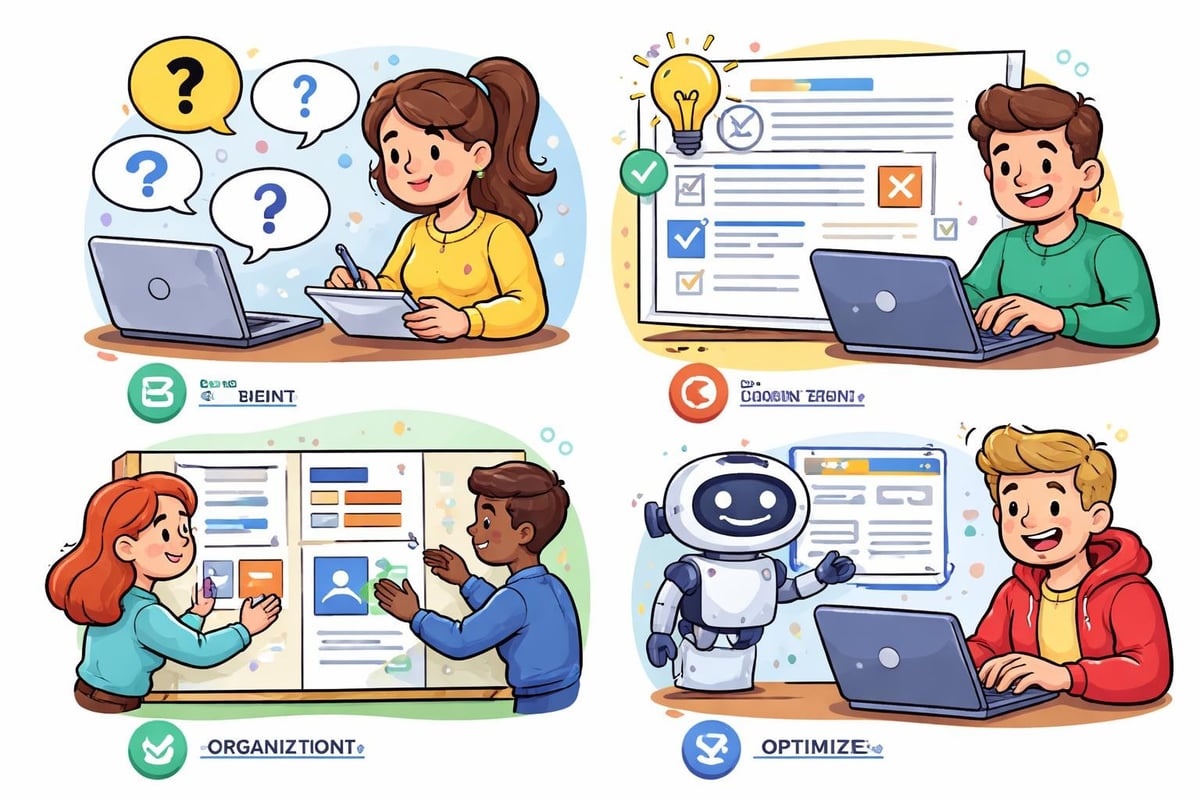
Getting found in ChatGPT isn't about implementing one or two tactics; it requires a comprehensive approach that addresses content quality, technical foundations, authority building, and strategic optimization.
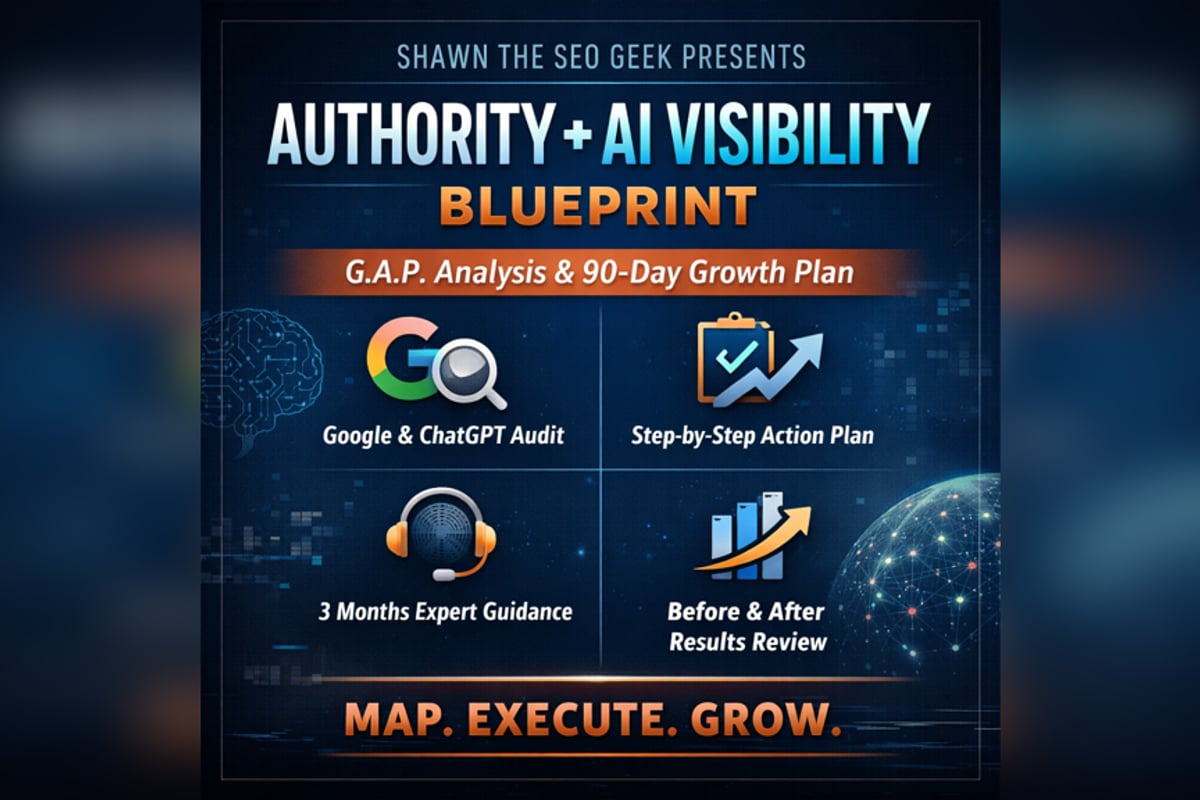
If you're serious about improving your visibility in AI search tools, consider getting professional guidance. The Authority + AI Visibility Blueprint helps businesses understand exactly where they stand in both traditional search and AI platforms, then provides a clear roadmap for improvement. This audit-and-strategy approach identifies the specific opportunities that will generate the most impact for your business.
Monitoring Your AI Visibility
Unlike traditional SEO where you can easily track rankings, monitoring your presence in ChatGPT requires different approaches. Start by regularly querying ChatGPT with questions related to your expertise and see if your content appears in responses.
Track citations by setting up Google Alerts for your brand name and key content pieces. Monitor referral traffic from AI platforms in your analytics. Document which types of content get cited most frequently and use those insights to inform your content strategy.
Competitive Differentiation Through Expertise
In a landscape where AI can access millions of sources instantly, what makes you stand out? The answer lies in demonstrable expertise and unique perspectives that only you can provide.
Share proprietary methodologies, case study results, and insights gained through direct experience. If you've helped law firms increase their client inquiries or boosted traffic for home service businesses, document those specific strategies and results.
ChatGPT values content that provides information not readily available elsewhere. Your real-world experience becomes your competitive advantage in AI search.
Integration with Traditional SEO
The strategies that help you get found in ChatGPT also strengthen your traditional SEO performance. The two approaches complement each other rather than compete.
Focus on creating high-quality, well-structured content that serves your audience genuinely. Build authority through expertise and original insights. Optimize technical foundations. These principles drive success across all search platforms, from Google to ChatGPT to emerging AI tools.
Understanding how different types of content perform in AI systems helps you allocate resources effectively. Structured editorial content, comprehensive guides, and review platforms tend to perform well, while promotional or thin content struggles regardless of optimization efforts.
The Role of Credibility Signals
Beyond just creating great content, you need to demonstrate credibility through various signals that AI systems recognize and value. These signals come from both on-site and off-site factors.
On your website, showcase:
- Author credentials and expertise indicators
- About pages that detail your experience and qualifications
- Case studies and results that demonstrate proven success
- Client testimonials and social proof
- Professional affiliations and certifications
Off-site credibility comes through mentions in reputable publications, citations from other authoritative sources, and backlinks from trusted domains. These external validation signals tell AI systems that others recognize your expertise.
Adapting to AI Search Evolution
The landscape of AI search continues evolving rapidly. What works today to get found in ChatGPT might need adjustment as these systems improve and change. Stay informed about updates to AI platforms and be ready to adapt your strategies accordingly.
Follow industry resources, participate in SEO communities, and test different approaches with your own content. Monitor which strategies drive the best results for your specific industry and audience. The businesses that thrive in AI search will be those that remain flexible and data-driven in their optimization efforts.
Understanding how ChatGPT’s retrieval and recommendation processes work gives you insights into future developments. As AI systems become more sophisticated at understanding context and evaluating quality, the fundamentals of expertise, authority, and genuine value become even more critical.
Optimizing to get found in ChatGPT represents a significant opportunity for forward-thinking businesses in 2026. By focusing on content quality, technical excellence, demonstrated expertise, and strategic structure, you position your business to appear in AI-generated responses when potential customers seek solutions you provide. Whether you need help with local SEO strategies or a comprehensive approach to both traditional and AI search, Shawn the SEO Geek combines over two decades of expertise with cutting-edge strategies to help Bucks County businesses and beyond dominate search across all platforms.