

The digital landscape has transformed dramatically over the past decade, and businesses need more than basic optimization to thrive online. This is where SEO strategists come in, serving as the architects who design comprehensive roadmaps for digital success. These professionals combine analytical thinking, creative problem-solving, and technical expertise to help businesses climb search engine rankings and connect with their ideal customers. Whether you're a law firm in Bucks County or a home services company looking to dominate local search results, understanding what SEO strategists bring to the table can transform your online presence.
What Sets SEO Strategists Apart from Other Digital Marketers
SEO strategists operate at a different level than general digital marketers or basic SEO specialists. They don't just implement tactics; they develop comprehensive, data-driven plans that align with business objectives.
The Strategic Mindset
Unlike tactical implementers who focus on individual tasks, SEO strategists approach challenges holistically. They consider how every piece of the puzzle fits together to create sustainable growth.
Key differentiators include:
- Developing long-term roadmaps that extend 12-24 months into the future
- Aligning SEO initiatives with broader business goals and revenue targets
- Anticipating algorithm changes and market shifts before they happen
- Creating contingency plans for potential ranking fluctuations
- Balancing quick wins with sustainable, long-term growth strategies
These professionals spend significant time analyzing competitive landscapes, identifying untapped opportunities, and forecasting outcomes. They're not just optimizing for today's search engines but positioning businesses for tomorrow's digital ecosystem.
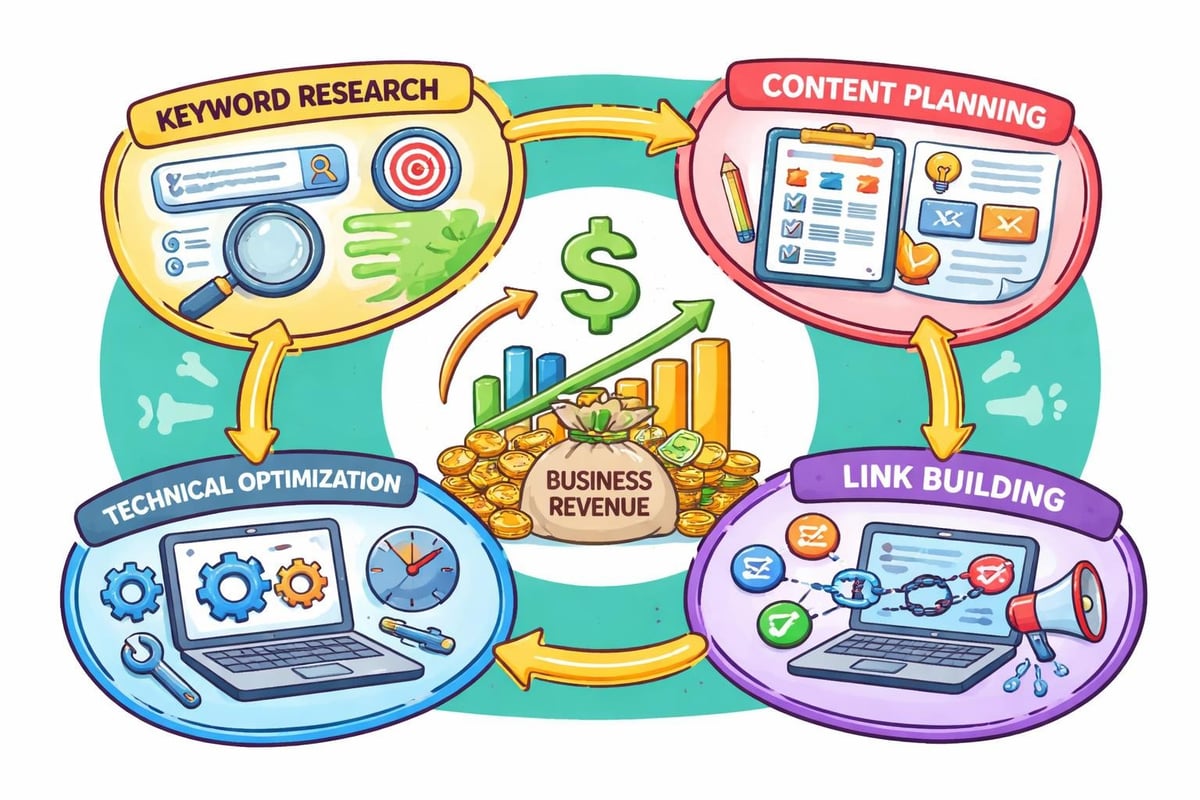
Data Analysis and Decision-Making
The foundation of strategic SEO work rests on data interpretation. SEO strategists dive deep into analytics platforms, ranking tools, and market research to uncover insights that drive decisions.
| Data Source | Strategic Application | Business Impact |
|---|---|---|
| Google Analytics | User behavior patterns and conversion paths | Optimize high-value customer journeys |
| Search Console | Query performance and technical health | Identify content gaps and fix critical issues |
| Competitor Analysis | Market positioning and keyword opportunities | Capture market share in underserved niches |
| Conversion Data | ROI by channel and content type | Allocate resources to highest-performing areas |
They transform raw numbers into actionable intelligence, helping businesses understand not just what's happening, but why it's happening and what to do about it. This analytical rigor separates strategic thinkers from those who simply follow playbooks.
Core Responsibilities That Define the Role
The scope of work for SEO strategists extends far beyond basic optimization tasks. Senior SEO strategists typically manage multiple complex responsibilities that require both technical knowledge and business acumen.
Strategic Planning and Roadmap Development
Every successful SEO campaign starts with a solid strategy. This involves conducting thorough audits, identifying opportunities, and creating detailed implementation plans.
SEO strategists begin by understanding the business inside and out. They interview stakeholders, review historical performance, and assess the competitive landscape. This research phase informs a customized strategy that addresses specific challenges and capitalizes on unique strengths.
For service-based businesses, this might mean developing specialized strategies for home services that focus on local visibility and service area dominance. For law firms, it could involve creating content strategies that establish thought leadership while capturing high-intent search queries.
Technical SEO Architecture
Technical excellence forms the backbone of any successful SEO strategy. Strategists must ensure websites are built on solid foundations that search engines can easily crawl, index, and understand.
Critical technical elements include:
- Site architecture that distributes authority effectively
- Core Web Vitals optimization for superior user experience
- Schema markup implementation for enhanced search features
- Mobile-first design that works flawlessly across devices
- International SEO configuration for multi-region businesses
- JavaScript rendering and dynamic content optimization
Many businesses benefit from comprehensive SEO website audit services that identify technical issues preventing them from achieving their full potential. These audits reveal hidden problems that tactical implementers often miss.
Content Strategy and Optimization
Content remains king in 2026, but the approach has evolved dramatically. SEO strategists develop content frameworks that serve both search engines and human audiences.
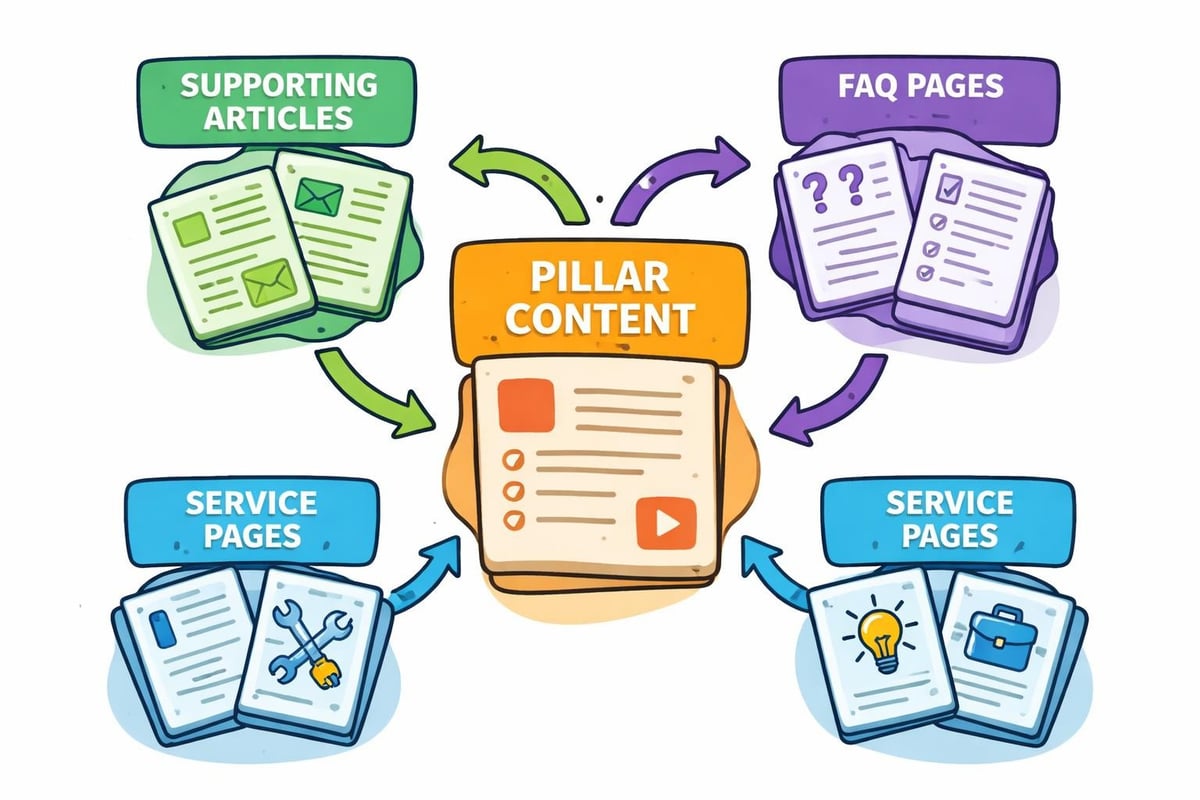
They identify topic clusters, create content calendars, and establish editorial guidelines that ensure consistency. Rather than chasing individual keywords, they build topical authority through comprehensive coverage of subject areas relevant to the business.
Essential Skills Every SEO Strategist Must Master
The role demands a unique combination of technical, analytical, and soft skills. Key skills for successful SEO strategists continue to evolve as the digital landscape changes.
Technical Proficiency
While strategists don't need to code websites themselves, they must understand how technical elements impact performance. This includes familiarity with HTML, CSS, JavaScript, and server configurations.
They work closely with development teams, providing clear specifications and quality assurance testing. Understanding SEO in web design helps them advocate for optimization during the development process rather than trying to fix problems after launch.
Analytical and Research Capabilities
Numbers tell stories for those who know how to listen. SEO strategists must be comfortable with spreadsheets, statistical analysis, and data visualization tools.
Essential analytical skills:
- A/B testing methodology and statistical significance
- Cohort analysis to understand user segments
- Attribution modeling to track multi-touch conversions
- Predictive analytics to forecast campaign outcomes
- Sentiment analysis for reputation management
They continuously research industry trends, algorithm updates, and emerging technologies. Staying current requires dedication to ongoing learning through industry publications, conferences, and testing.
Communication and Stakeholder Management
Perhaps the most underrated skill is the ability to translate complex SEO concepts into business language that stakeholders understand and value.
SEO strategists must build consensus across teams, secure budget approval for initiatives, and manage expectations realistically. They present findings in executive dashboards, write detailed technical specifications for developers, and create training materials for content teams.
For businesses working with specialized sectors like B2B companies, this communication becomes even more critical as stakeholders need to understand ROI timelines and competitive positioning.
Building Effective SEO Strategies for Different Industries
One-size-fits-all approaches fail in modern SEO. Strategic professionals customize their methodologies based on industry dynamics, audience behavior, and competitive landscapes.
Service-Based Business Strategies
Service providers face unique challenges around local visibility and trust-building. SEO strategists for these businesses focus on demonstrating expertise and capturing high-intent local searches.
They develop location-specific landing pages, optimize Google Business Profiles, and create content that answers common customer questions. SEO services for contractors, for example, might emphasize before-and-after galleries, customer testimonials, and service area pages.
| Strategy Element | Implementation | Expected Outcome |
|---|---|---|
| Local Citations | Consistent NAP across 50+ directories | Improved local pack rankings |
| Review Generation | Automated post-service review requests | 4.5+ star rating with 100+ reviews |
| Service Pages | Detailed pages for each service offering | Capture long-tail service queries |
| Content Marketing | Monthly blog posts addressing FAQs | Establish expertise and trust |
Legal Industry Specialization
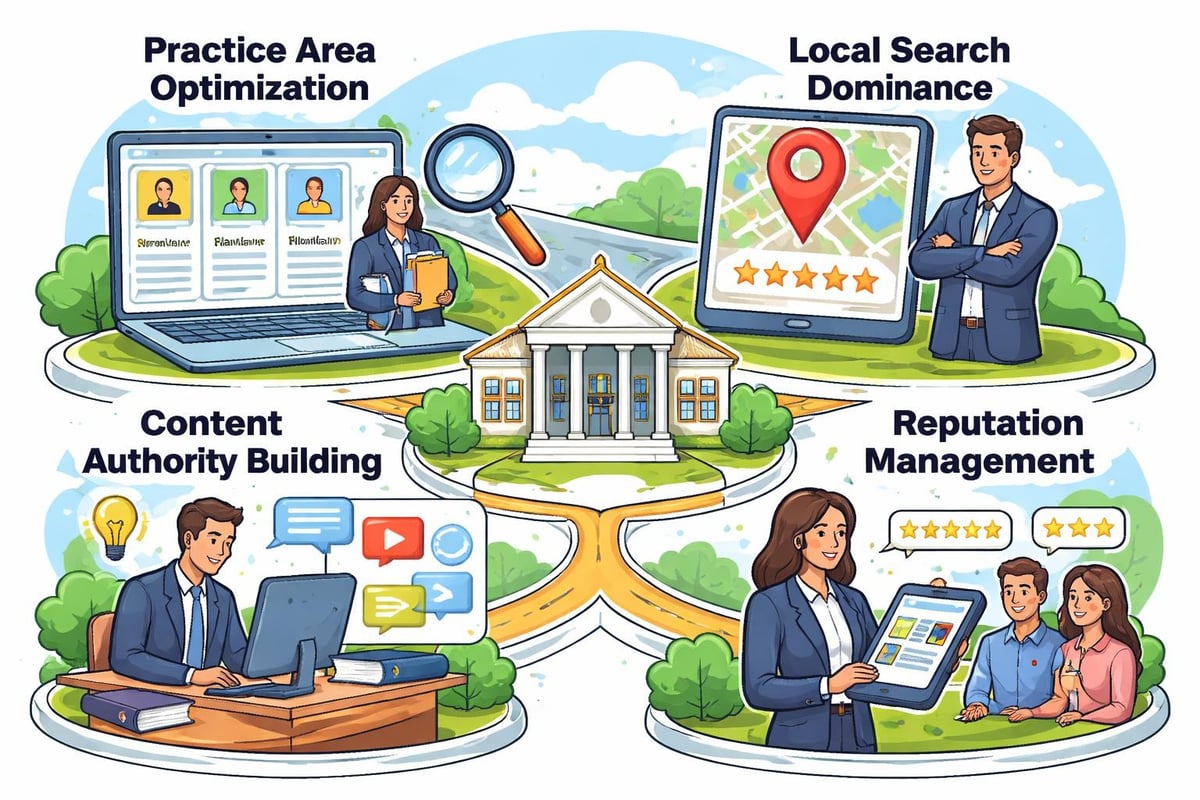
Law firms require a delicate balance between authority-building and client acquisition. The best SEO for law firms involves creating comprehensive resource centers while optimizing for high-value practice area keywords.
SEO strategists in this space understand attorney advertising rules, ethical considerations, and the importance of demonstrating credentials. They build strategies around thought leadership content, case results (where permitted), and client education.
E-commerce and B2B Applications
E-commerce sites and B2B companies face different challenges around product categorization, inventory management, and technical complexity at scale.
Strategists develop product taxonomy structures, category page optimization frameworks, and user-generated content strategies. They understand how to handle out-of-stock products, seasonal inventory changes, and variant pages without creating duplicate content issues.
For B2B organizations, the focus shifts toward longer sales cycles and multiple decision-makers. Content strategies emphasize educational resources, comparison guides, and tools that support the research process.
Measuring Success and Demonstrating ROI
SEO strategists must prove their value through measurable outcomes that connect to business objectives. This goes far beyond tracking keyword rankings.
Key Performance Indicators That Matter
Modern SEO measurement focuses on business impact rather than vanity metrics. While rankings provide context, they don't pay the bills.
Critical KPIs include:
- Organic revenue and conversion value
- Cost per acquisition compared to paid channels
- Market share of search visibility in target categories
- Customer lifetime value from organic traffic
- Brand search volume as a proxy for awareness
SEO specialists track these metrics to demonstrate ongoing value and justify continued investment in optimization initiatives.
Attribution and Multi-Touch Tracking
The customer journey rarely involves a single touchpoint. SEO strategists implement attribution models that fairly credit SEO's contribution to conversions.
They use tools like Google Analytics 4, marketing automation platforms, and CRM integrations to track how organic search interacts with other channels. This reveals the true value of SEO in assisting conversions even when it's not the last click.
Reporting and Communication Cadence
Regular, transparent reporting builds trust and ensures alignment with stakeholders. Most strategists establish monthly or quarterly reporting cycles that review performance against goals.
These reports include wins, challenges, strategy adjustments, and forward-looking recommendations. They contextualize performance within industry trends and competitive movement, helping stakeholders understand the broader landscape.
The Future of SEO Strategy in 2026 and Beyond
The role of SEO strategists continues evolving as search engines become more sophisticated and user behavior shifts. Successful professionals anticipate these changes and adapt their approaches accordingly.
AI and Machine Learning Integration
Artificial intelligence has transformed how search engines understand content and user intent. SEO strategists now work alongside AI tools that help with content generation, keyword research, and predictive modeling.
However, the strategic thinking that connects SEO initiatives to business outcomes remains distinctly human. While AI can identify patterns and generate content, it can't yet replicate the nuanced understanding of brand positioning and competitive strategy that expert strategists provide.
Voice Search and Alternative Search Interfaces
As voice assistants, visual search, and AI-powered answer engines gain prominence, SEO strategists adapt content strategies to serve these new interfaces.
They optimize for featured snippets, create FAQ content that aligns with natural language queries, and ensure structured data helps search engines understand content context. The fundamental goal remains unchanged: connecting businesses with people seeking their products or services.
Privacy Changes and Tracking Evolution
Cookie deprecation and privacy regulations have changed how we measure and optimize digital marketing. SEO strategists have adapted by focusing more on first-party data, server-side tracking, and privacy-compliant measurement methods.
This shift actually benefits SEO, as organic search generates valuable owned data through direct website interactions. Strategic professionals help businesses build email lists, implement proper consent management, and create measurement frameworks that respect user privacy while providing actionable insights.
Working with SEO Strategists: What to Expect
Whether hiring in-house or partnering with an agency, understanding how to collaborate effectively with SEO strategists maximizes results.
The Onboarding and Discovery Process
Effective partnerships begin with thorough discovery. Expect comprehensive audits, stakeholder interviews, and competitive analysis during the first 30-60 days.
SEO strategists need access to analytics platforms, content management systems, and business performance data. They'll ask detailed questions about target audiences, revenue models, and growth objectives. This information shapes strategies that align with your specific business context rather than generic best practices.
Timeline Expectations and Quick Wins
SEO delivers compounding returns over time, but that doesn't mean waiting months for any results. Strategic professionals identify quick wins that can be implemented early while building foundations for long-term success.
Typical timeline breakdown:
- Months 1-2: Technical fixes, quick content optimizations, foundation-building
- Months 3-6: Initial ranking improvements, traffic growth begins
- Months 6-12: Significant visibility gains, conversion optimization
- 12+ months: Market leadership positioning, sustained competitive advantage
Understanding this progression helps set realistic expectations and maintain commitment through the growth phase.
Collaboration Requirements
SEO doesn't happen in isolation. Strategists need cooperation from development teams, content creators, designers, and business stakeholders.
Businesses that see the best results establish clear communication channels, dedicate resources to implementation, and integrate SEO into their broader marketing strategies. For companies exploring bespoke SEO services, this collaborative approach ensures customized strategies get properly executed.
SEO strategists serve as essential partners for businesses seeking sustainable online growth in an increasingly competitive digital landscape. Their combination of technical expertise, strategic thinking, and business acumen helps companies navigate complex search ecosystems and achieve measurable results. If you're ready to develop a comprehensive SEO strategy tailored to your business goals, Shawn the SEO Geek brings over two decades of experience and 500+ successful campaigns to help you dominate search results and drive real business growth.