
In 2026, a single bad review or viral social post can turn a booming business upside down overnight. The stakes have never been higher for your brand’s online image. That’s why understanding how a reputation management agency works is crucial for anyone serious about long-term success.
In this guide, we’ll break down what a reputation management agency does and how you can use their expertise to protect and promote your brand. You’ll discover how reputation strategies have evolved, the essential services agencies offer, proven steps for 2026, tips for choosing the right partner, and what the future holds.
Let’s explore how you can take control, stay ahead of threats, and build lasting trust with your audience.
The New Landscape of Reputation Management in 2026
In 2026, the reputation management agency landscape looks dramatically different than just a few years ago. Businesses are realizing that their digital reputation is not just a PR concern, but a core asset that shapes customer trust, sales, and long-term growth. Let’s explore what’s driving these changes and how organizations can keep up.
The Rise of Digital-First Reputations
The shift from traditional PR to digital-first strategies has made reputation a make-or-break factor for every organization. Today, a reputation management agency is essential as 93% of consumers read online reviews before making a purchase. As online conversations move faster, a single viral incident can either skyrocket or sink a brand’s public image.
Major companies have faced overnight crises due to viral social media posts, with public perception shifting in hours rather than weeks. This digital transformation is driving massive industry growth, as highlighted in the Online Reputation Management Market Growth report, which projects continued expansion through 2033.
Emerging Platforms and Threats
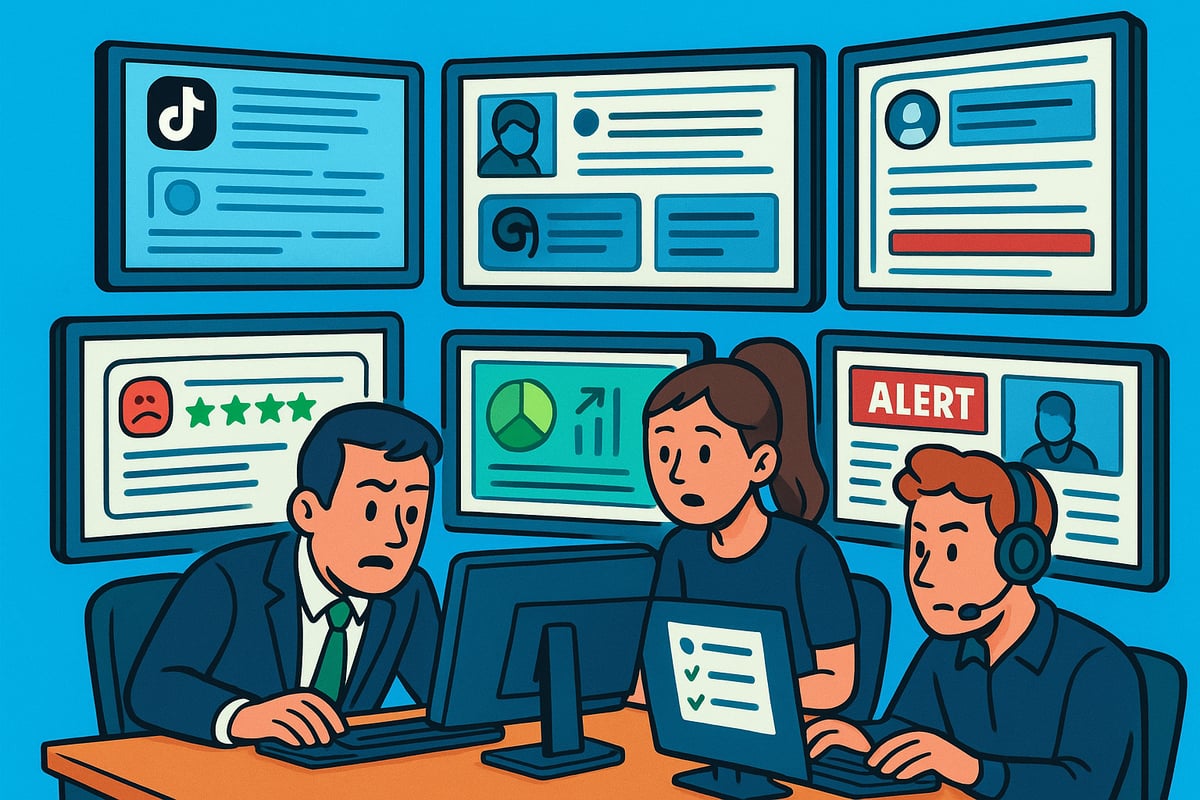
The 2026 landscape is shaped by new platforms like TikTok and Threads, where trends and opinions spread at lightning speed. AI-powered review aggregators collect feedback across dozens of sites, amplifying both praise and criticism.
Threats are evolving too. Deepfake technology and misinformation campaigns can damage a brand’s credibility overnight. The hospitality industry, for example, has battled waves of fake review scams, making the role of a reputation management agency even more critical in safeguarding trust.
Consumer Expectations and Transparency
Today’s consumers expect brands to be authentic, transparent, and responsive. A reputation management agency must help clients build genuine connections, as 88% of people trust user reviews as much as personal recommendations.
Customers want real-time responses and accountability when issues arise. Brands that openly address concerns and foster honest dialogue are rewarded with loyalty, while those who hide or ignore criticism risk long-term damage.
Regulatory Changes and Compliance
With new data privacy laws emerging worldwide, reputation management agency professionals need to stay ahead of changing regulations. Rules now dictate how organizations collect, store, and respond to online reviews.
Compliance with platforms like Google and Yelp is also more complex, with stricter guidelines on review solicitation and removal. Agencies must guide clients through these legal landscapes, ensuring ethical practices and avoiding penalties.
Competitive Benchmarking
Leading brands use advanced tools to monitor and measure their reputation against competitors. A reputation management agency leverages Net Promoter Score, sentiment analysis, and share of voice to track progress.
| Tool/Metric | Purpose |
|---|---|
| Net Promoter Score | Measures loyalty |
| Sentiment Analysis | Gauges public mood |
| Share of Voice | Compares brand mentions |
Data visualization dashboards help agencies turn insights into action, ensuring clients stay ahead in an increasingly competitive digital world.
The Cost of Inaction
Ignoring online reputation can be devastating. Research shows businesses with poor ratings lose significant revenue, and a reputation management agency can make the difference between recovery and decline.
For instance, a restaurant chain lost 30% of its revenue after a negative incident went viral. Without a rapid, strategic response, the damage can linger for years, affecting not just profits but also employee morale and customer trust.
Core Services Offered by Reputation Management Agencies
Reputation is the heartbeat of every brand in 2026. A reputation management agency provides a suite of specialized services to protect, repair, and amplify your digital presence. Let’s break down the core offerings you can expect and see how these solutions work in the real world.

Online Review Management
A reputation management agency monitors and manages your reviews across Google, Yelp, Facebook, and industry-specific platforms. They use automated tools and hands-on outreach to encourage positive reviews while addressing negative feedback promptly.
- Monitoring tools flag new reviews in real time.
- Agencies respond professionally to both praise and criticism.
- Proactive campaigns solicit reviews from happy customers.
For example, one law firm partnered with a reputation management agency and saw positive reviews climb by 200 percent through targeted email and SMS requests. Curious about real-world outcomes? Check out case studies on reputation success to see how agencies deliver measurable results.
Social Media Monitoring and Crisis Response
Social media is where reputations are built or broken overnight. A reputation management agency tracks mentions and conversations about your brand across platforms like TikTok, Threads, and X.
- Real-time alerts help you catch issues before they escalate.
- Crisis playbooks guide your team through coordinated responses.
- Transparency and speed are key to calming storms.
Imagine an airline facing a viral complaint. With agency support, they crafted transparent social responses and regained public trust within days. This service is vital for brands navigating today’s fast-paced digital world.
Search Engine Reputation Management (SERM)
A reputation management agency works hard to ensure your best foot forward in search results. SERM involves pushing positive content up while suppressing negative or misleading information.
- SEO strategies create and optimize positive articles, profiles, and media.
- Link building boosts authoritative brand assets.
- Technical fixes help remove or de-index harmful content.
A restaurant hit by a negative viral incident can recover search visibility with a focused SERM campaign, regaining lost customers and revenue.
| SERM Tactics | Purpose | Example Tools |
|---|---|---|
| Content creation | Promote positive stories | WordPress, Canva |
| Link building | Boost authority | Ahrefs, Moz |
| De-indexing | Remove negatives | Google Search Console |
Content Creation and Thought Leadership
Building authority is essential. A reputation management agency crafts blogs, press releases, and expert commentary to showcase your expertise and values.
- Educational content shifts public sentiment.
- Thought leadership attracts media attention.
- Consistent publishing builds trust and credibility.
A B2B company, for example, transformed its perception by launching a series of educational articles, turning neutral audiences into loyal advocates.
Brand Monitoring and Sentiment Analysis
Staying ahead of public opinion is easier with AI-driven monitoring tools. A reputation management agency uses sentiment analysis to track opinions about your brand across languages and platforms.
- Dashboards visualize trends and hotspots.
- Data helps prioritize actions and measure progress.
- Early alerts prevent crises from snowballing.
These insights empower brands to make informed decisions and continuously improve their reputation management strategies.
Legal and Compliance Support
Sometimes, protecting your reputation requires legal expertise. A reputation management agency assists with takedown requests for defamatory content and ensures compliance with evolving privacy and platform regulations.
- DMCA and other legal removals
- Navigating Google, Yelp, and industry-specific rules
- Ethical, compliant content removal
When harmful content appears, agencies act swiftly and within the law to safeguard your brand’s integrity.
Step-by-Step Reputation Management Strategies for 2026 Success
Protecting your brand in 2026 requires a methodical approach. The digital landscape changes quickly, so working with a reputation management agency means having expert guidance every step of the way. Here are the essential strategies you can follow to secure your online reputation and foster lasting trust.

Step 1: Audit Your Current Online Reputation
Begin with a comprehensive audit. Search for your business across Google, review sites, social media, and news outlets. A reputation management agency uses advanced tools like Google Alerts, Brandwatch, and Mention to track every mention and review.
Make a list of strengths and weaknesses. Identify outdated or damaging content. For example, a home services provider once found old negative reviews that still influenced new customers. Auditing reveals what needs immediate attention.
- Use review monitoring tools.
- Check all social channels and news mentions.
- Document recurring themes in feedback.
The audit sets the foundation for your next steps.
Step 2: Set Clear Reputation Goals and KPIs
After your audit, set measurable goals. A reputation management agency helps define objectives that matter, such as star ratings, sentiment scores, and brand mentions. Tie these KPIs directly to business outcomes like leads or conversions.
Break goals into short-term and long-term targets. For instance, aim to raise your average review score by 0.5 stars within six months. Setting clear benchmarks lets you track progress and celebrate wins along the way.
- Define star rating targets.
- Choose sentiment analysis metrics.
- Align KPIs with business growth.
Clear goals keep your strategy focused and effective.
Step 3: Build and Optimize Positive Brand Assets
Develop content that showcases your expertise and builds trust. A reputation management agency will help you create authoritative blog posts, press releases, and high-profile social profiles. Optimize these assets for search engines to ensure positive content ranks higher than negatives.
SEO best practices, like keyword-rich titles and authoritative backlinks, make your brand more visible. This approach also includes getting featured in reputable publications and earning media coverage.
- Create blogs and press releases.
- Optimize profiles for search engines.
- Secure media mentions and testimonials.
Investing in strong assets pays off in both reputation and search visibility.
Step 4: Proactive Review Generation and Management
Encourage happy customers to share their experiences. A reputation management agency can set up email, SMS, and in-person requests to collect more positive reviews. Respond to every review, positive or negative, with professionalism and gratitude.
Consider this: a franchise improved its rating from 3.2 to 4.6 stars in a year by consistently asking for feedback and replying promptly. Proactive management turns satisfied clients into advocates.
- Automate review requests.
- Respond quickly to all feedback.
- Track progress toward review goals.
Every positive review builds your credibility and attracts new business.
Step 5: Monitor and Respond to Reputation Threats in Real Time
Real-time monitoring is essential in 2026. A reputation management agency will set up alerts for negative mentions and have escalation protocols ready. Crisis playbooks outline who responds, what to say, and how to address issues publicly.
AI-powered tools can spot sentiment shifts and emerging threats faster than humans. As discussed in AI and Online Reputation Management, predictive analytics help agencies tackle problems before they escalate.
- Set up brand alerts.
- Use AI sentiment analysis.
- Prepare response templates and crisis plans.
Swift action protects your reputation and demonstrates accountability.
Step 6: Suppress and Remove Harmful Content (Where Legal)
Not all negative content can be deleted, but a reputation management agency can minimize its impact. Request removals, file DMCA takedowns, or ask search engines to de-index outdated or false information. Always follow legal and ethical guidelines.
Suppression involves creating and promoting positive content to push negatives lower in search results. Transparency and compliance are key to maintaining trust.
- Identify removable content.
- File appropriate takedown requests.
- Promote positive assets for suppression.
This combined approach reduces the visibility of harmful material.
Step 7: Continuous Improvement and Reporting
Reputation management is ongoing. A reputation management agency will provide monthly or quarterly reports, tracking progress against goals and adjusting strategies as needed. Regular reviews keep your team aligned and prepared for new challenges.
Share results and insights with stakeholders. Use data visualization dashboards to make information accessible and actionable.
- Review KPIs regularly.
- Adjust tactics based on data.
- Communicate progress to your team.
Continuous improvement ensures your brand stays ahead in a fast-changing world.
Selecting the Right Reputation Management Agency
Choosing a reputation management agency can feel overwhelming, but the right choice will protect your brand and help it thrive. With so many options, how do you know which agency will truly support your goals? Let’s break down what to look for and how to evaluate your options with confidence.
Agency Specialization and Track Record
Start by looking for a reputation management agency with proven experience in your industry. Agencies with specific expertise, such as healthcare, law, or hospitality, understand the unique challenges and regulations you face. Ask for case studies and client testimonials that demonstrate results. If you want a deeper dive into what makes a top agency, check out the best search engine optimization agency criteria for inspiration.
Technology and Toolset
A modern reputation management agency should use advanced technology like AI-driven monitoring, automation, and proprietary software. Look for solutions that integrate with your CRM and marketing platforms. The right tools enable real-time alerts, sentiment analysis, and streamlined workflows, helping you stay ahead of threats and opportunities.
Customization and Transparency
Avoid agencies that offer one-size-fits-all packages. Your reputation strategy should be tailored to your brand’s voice, audience, and goals. A reputable reputation management agency will provide transparent reporting, regular updates, and open communication, so you always know where you stand.
Pricing Models and ROI
Consider whether the agency uses a retainer or project-based pricing structure. Make sure you understand what’s included and how success is measured. A strong reputation management agency will help you calculate ROI by connecting their work to increased leads, improved ratings, or higher revenue.
Red Flags to Avoid
Be cautious of agencies promising guaranteed results, using black-hat tactics, or lacking transparency. These approaches can harm your reputation in the long run. Ethical practices, honesty, and a focus on sustainable growth are essential when choosing a partner.
Example Agency Evaluation Checklist
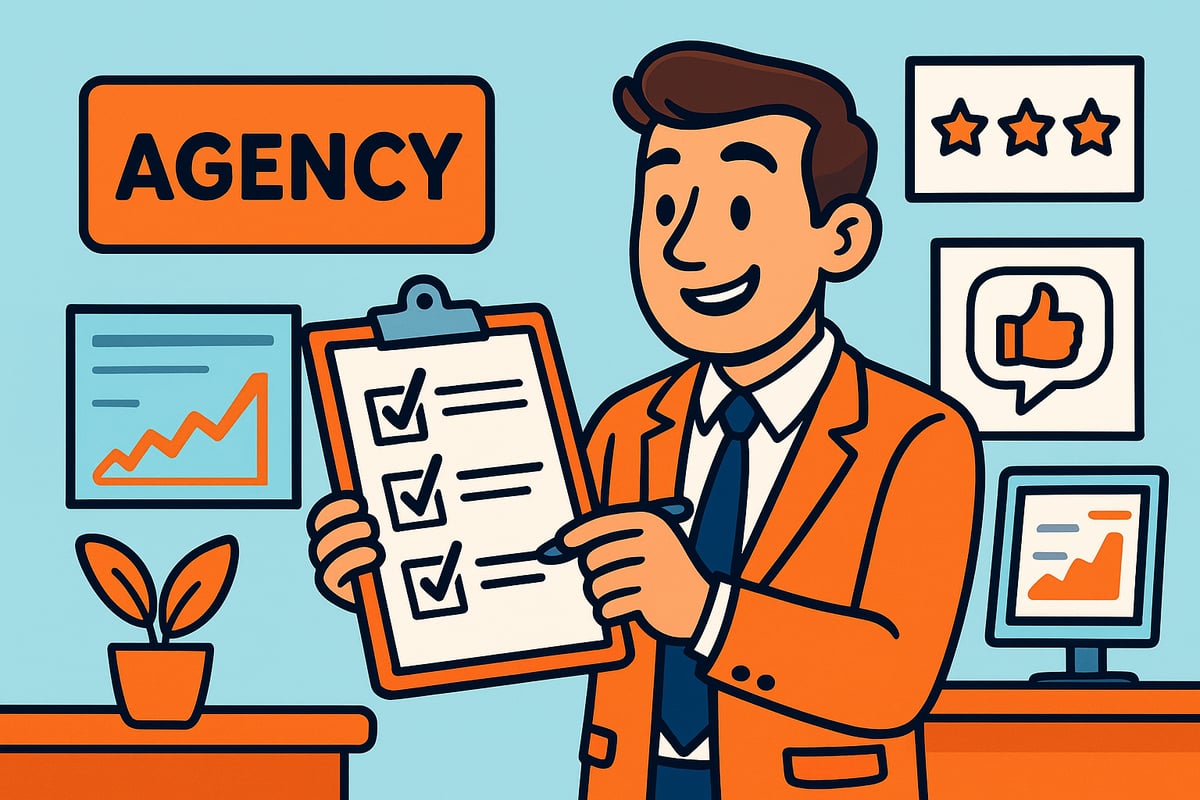
Here’s a quick checklist to help you evaluate any reputation management agency:
- Do they have industry-specific experience?
- What technology and monitoring tools do they use?
- Are their strategies customized for your needs?
- How do they report results and communicate progress?
- Are their pricing and ROI calculations clear?
- Can they provide references and case studies?
Taking the time to ask these questions will ensure you find a partner that aligns with your brand’s values and long-term goals.
Future Trends and Technologies in Reputation Management
The world of reputation management agency services is changing at lightning speed. New technologies, platforms, and consumer expectations are reshaping how brands protect and elevate their image. Staying ahead means embracing innovation and preparing for challenges we can barely imagine today.
AI-Driven Sentiment Analysis and Automation
Artificial intelligence is now the heartbeat of every forward-thinking reputation management agency. With AI-powered tools, agencies can scan millions of reviews, social posts, and news stories in seconds, spotting shifts in sentiment before they become a crisis.
Predictive analytics help agencies respond faster and smarter. Automated workflows even draft and send review responses, freeing up human teams for more strategic work. Curious about how AI is transforming the field? Check out AI’s Impact on Reputation Management for expert insights.
Deepfake Detection and Content Authentication
The rise of deepfakes and synthetic media is a double-edged sword for any reputation management agency. On one hand, manipulated videos or audio can damage trust in seconds. On the other, new detection tools use AI and partnerships with cybersecurity firms to verify content authenticity.
Agencies are investing in early-warning systems. These systems scan for suspicious media and alert teams if a brand's image or voice is being misused. This proactive approach helps protect both reputation and consumer trust.
Decentralized Review Platforms and Blockchain
Blockchain is bringing radical transparency to online reviews. Decentralized platforms make it harder for fake reviews or manipulation to go unnoticed. This shift is forcing every reputation management agency to rethink its approach to authenticity and engagement.
Not only do blockchain-based sites boost consumer confidence, but they also challenge agencies to adapt strategies for a new era. For more on these changes and the rise of real-time engagement, visit Emerging Trends in Reputation Management.
Voice Search and Reputation
Voice assistants like Alexa and Google Assistant are changing the way people discover brands. More consumers are asking smart speakers for recommendations, and the responses often highlight online reviews or news.
A reputation management agency now must ensure that a brand's best content and reviews are optimized for voice search. This includes using natural language, local keywords, and accurate business information across all platforms.
Globalization and Multilingual Reputation Management
The internet knows no borders, and neither does reputation. Agencies are turning to AI-driven translation and sentiment analysis tools to monitor what is being said about brands in every language.
A reputation management agency that can handle multilingual monitoring gives its clients a global edge. However, cultural nuances and translation accuracy remain hurdles, so human oversight is still essential for context and empathy.
Data Privacy and Consumer Control
Stricter privacy laws are reshaping how agencies collect, store, and use consumer data. Regulations like GDPR and CCPA updates demand transparency and respect for consumer consent.
A modern reputation management agency must balance personalization with privacy, ensuring data is handled ethically. This focus on consumer rights builds long-term trust and helps brands avoid costly legal missteps.
Preparing for the Unknown
The future is full of surprises. Agencies are investing in continuous learning, flexible processes, and emerging tech to stay prepared. No one can predict every challenge, but a reputation management agency that adapts quickly will always have the upper hand.
Here's a quick summary of future trends:
| Trend | Impact on Agencies | Key Tools/Tech |
|---|---|---|
| AI-driven analytics | Faster response, insights | Sentiment AI, automation |
| Deepfake/content authentication | Trust protection | Detection platforms |
| Blockchain/decentralized reviews | Enhanced authenticity | Blockchain platforms |
| Voice search optimization | Visibility in new spaces | Voice SEO tools |
| Multilingual/global monitoring | Global reputation control | AI translation, dashboards |
| Data privacy/compliance | Consumer trust, legal | Compliance tech |